

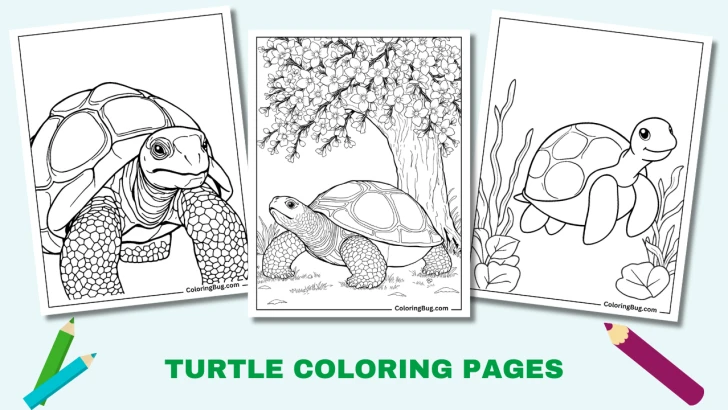
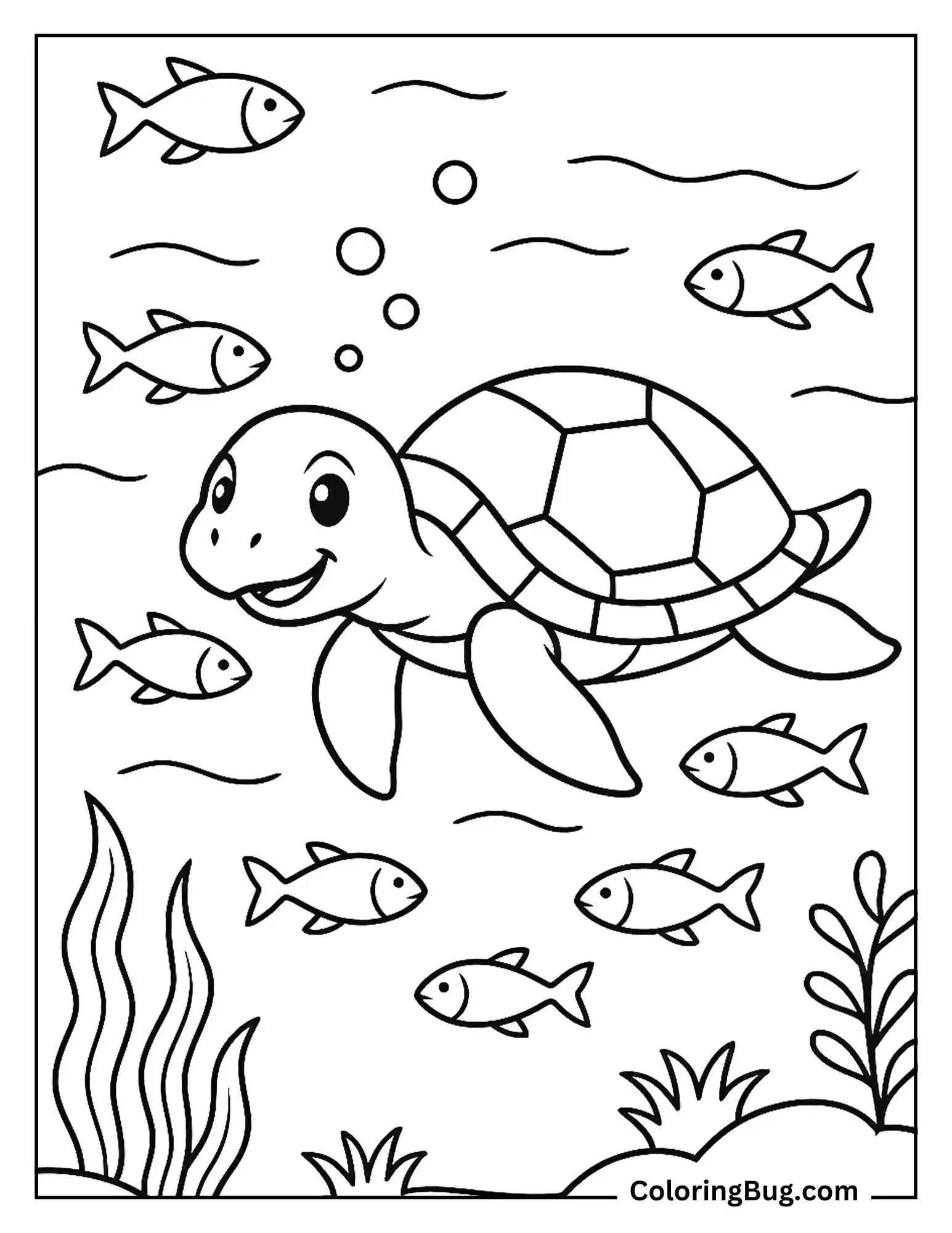
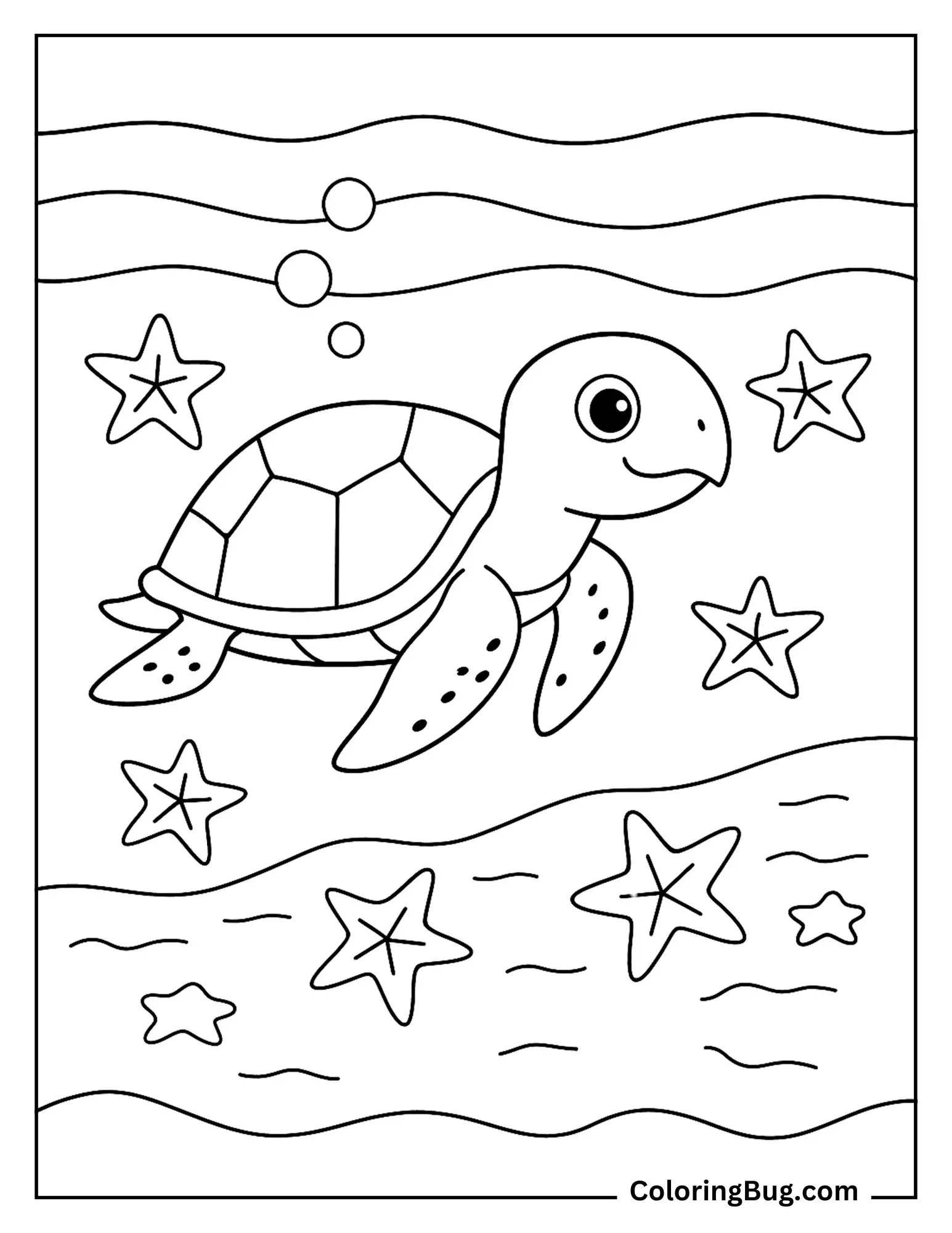
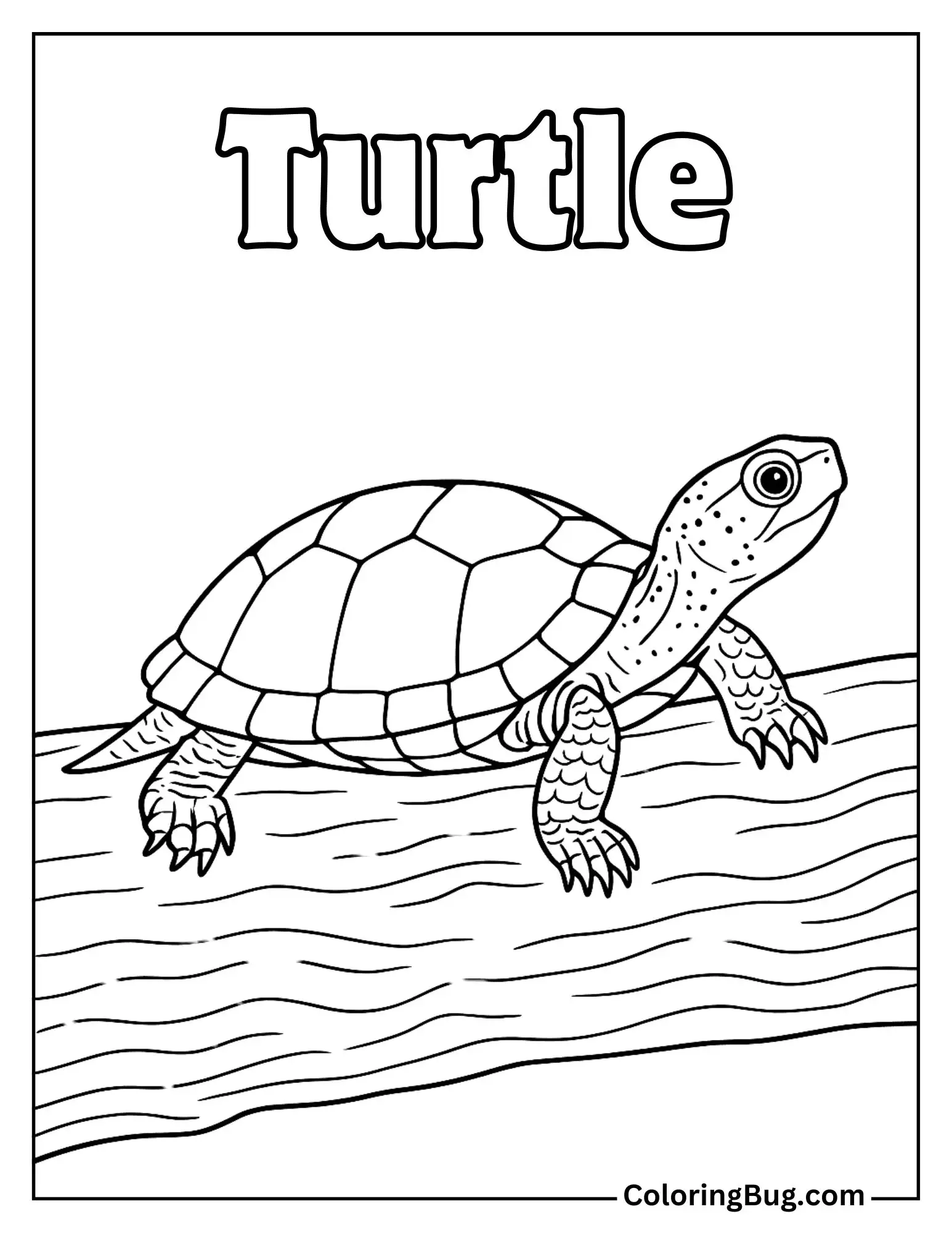
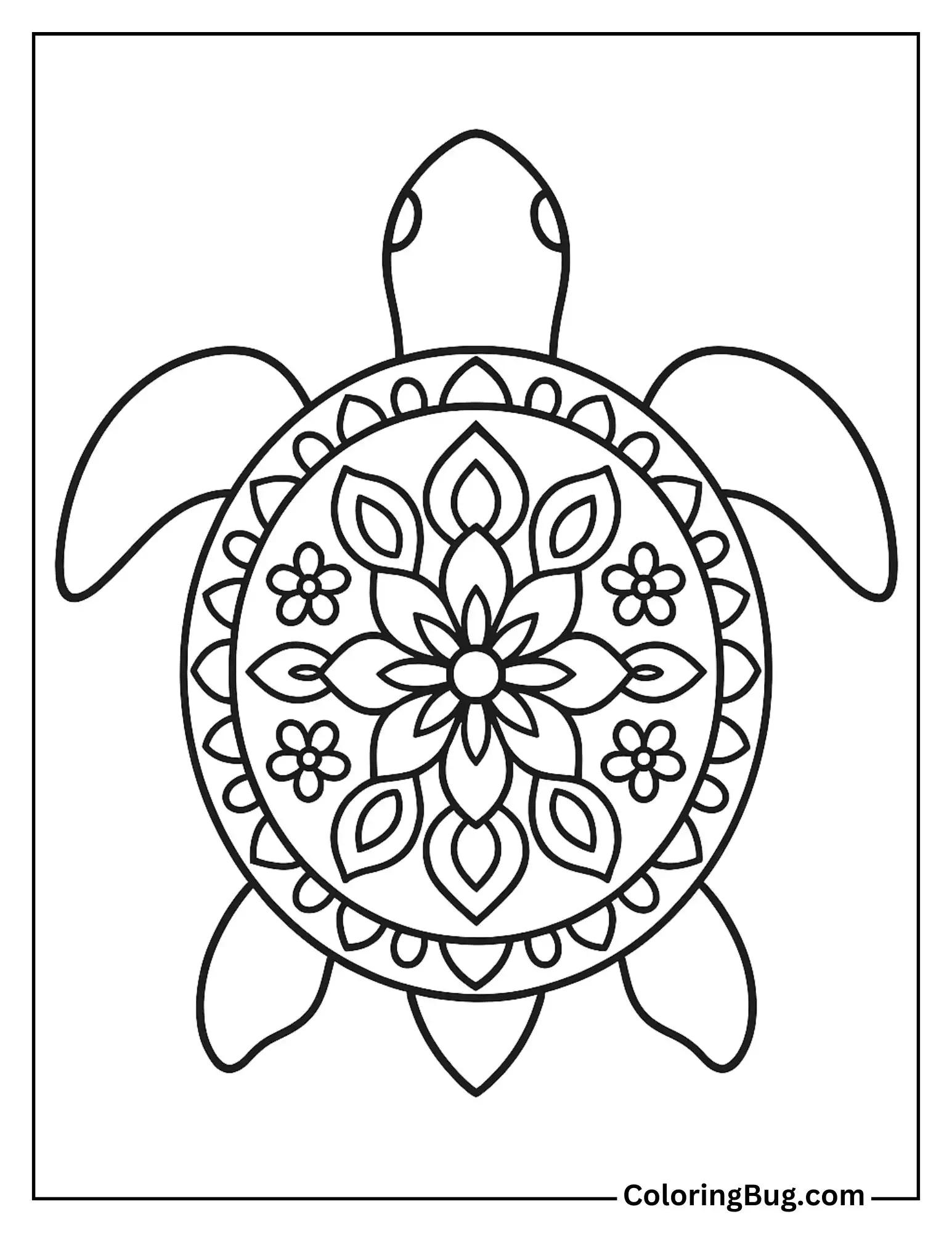
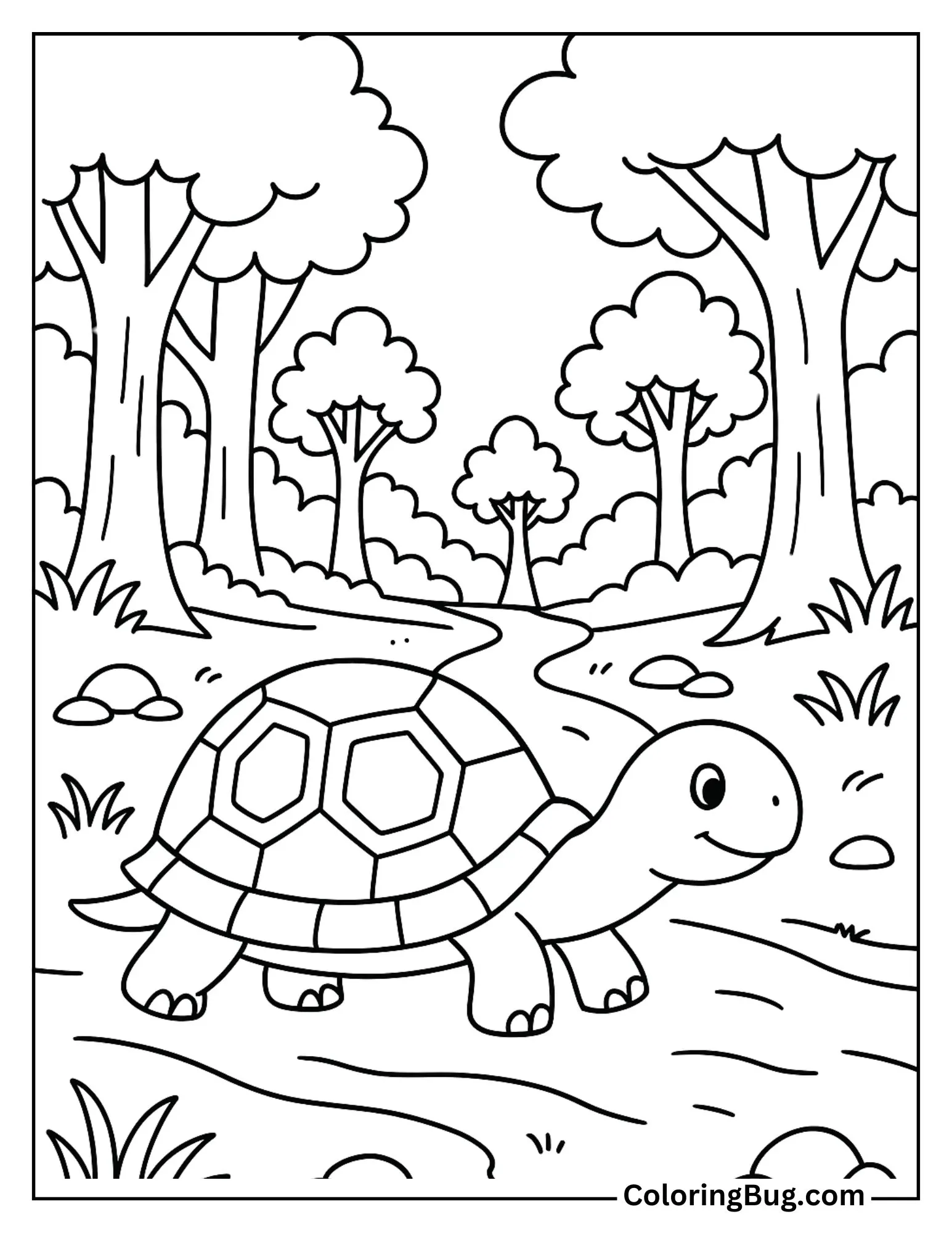
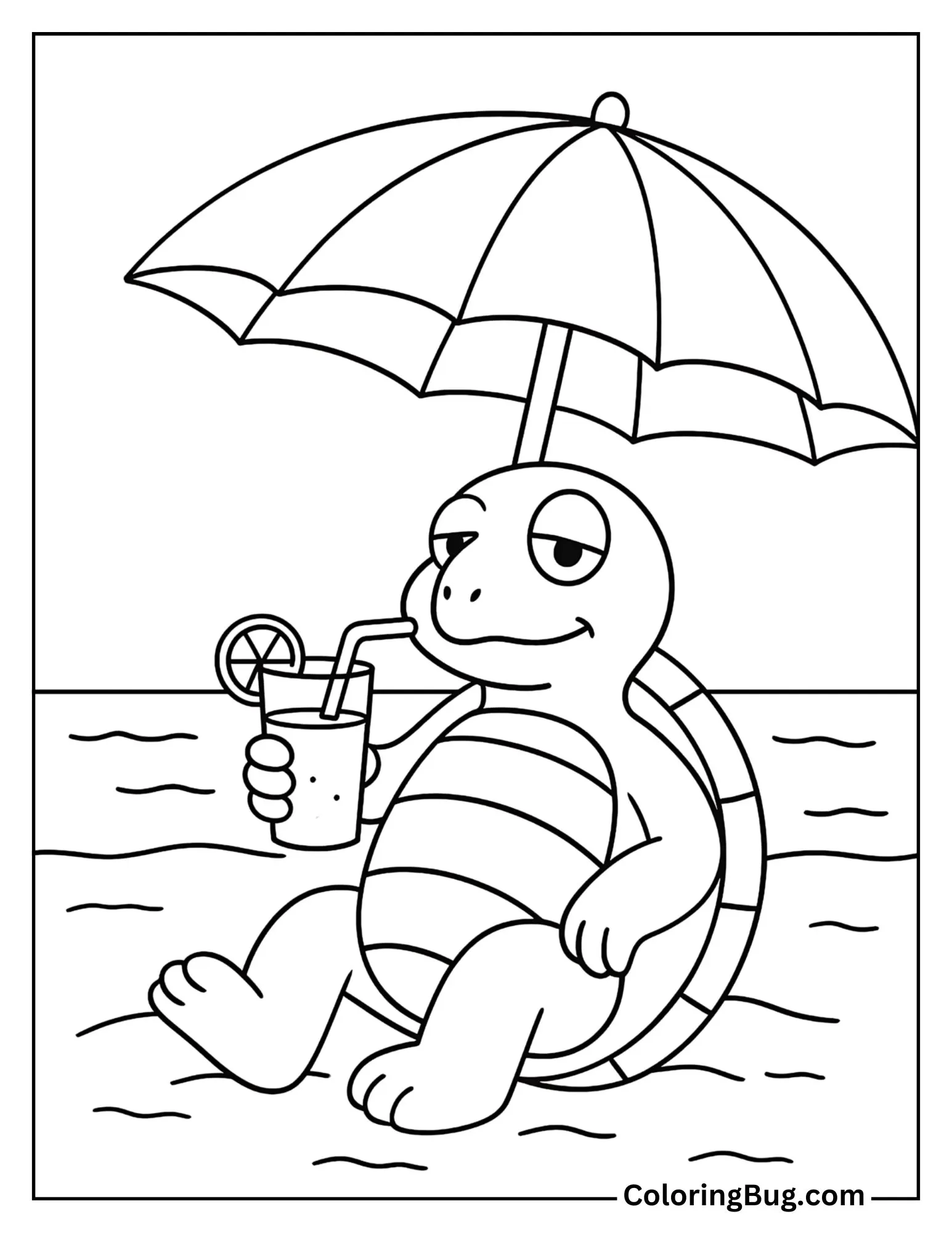
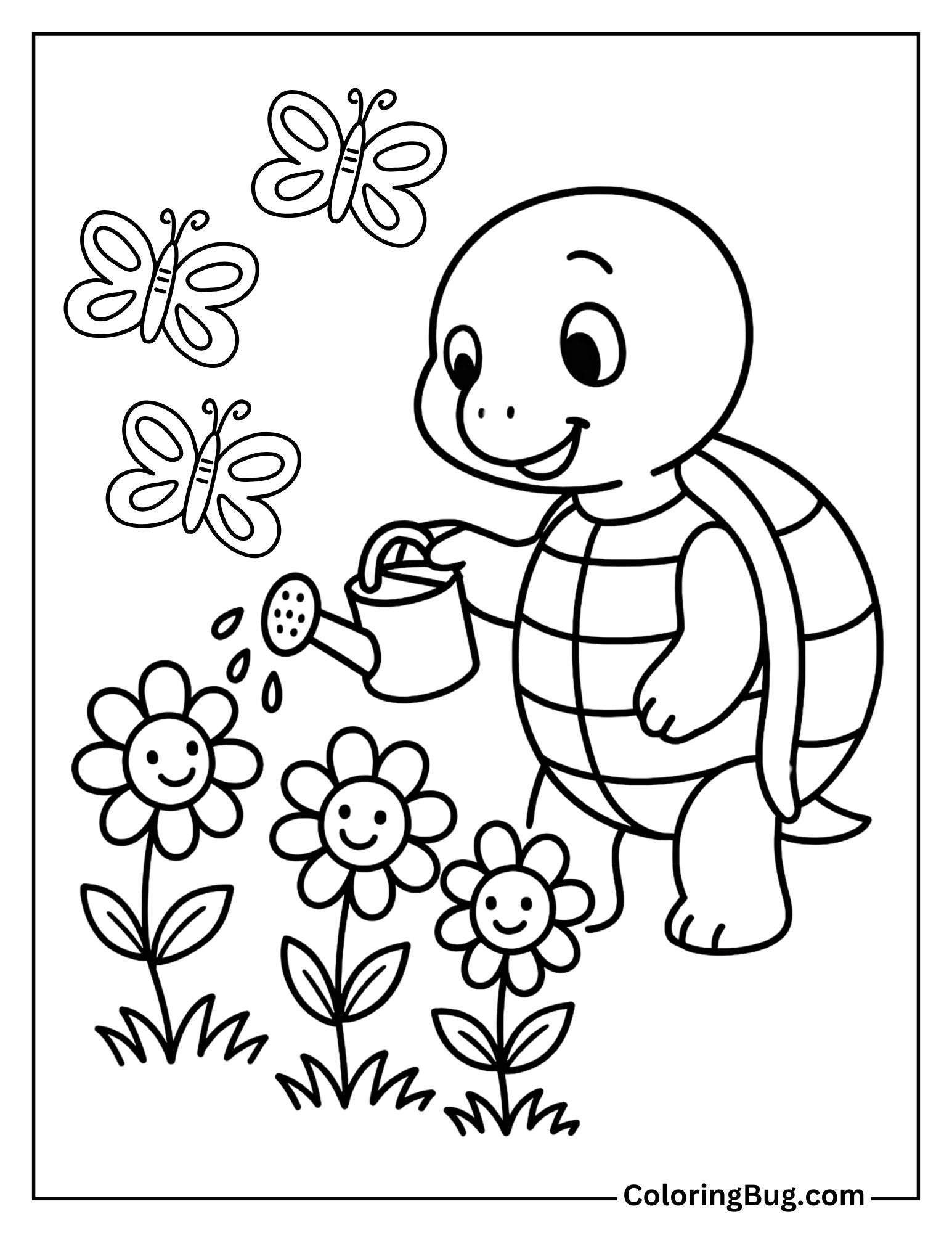
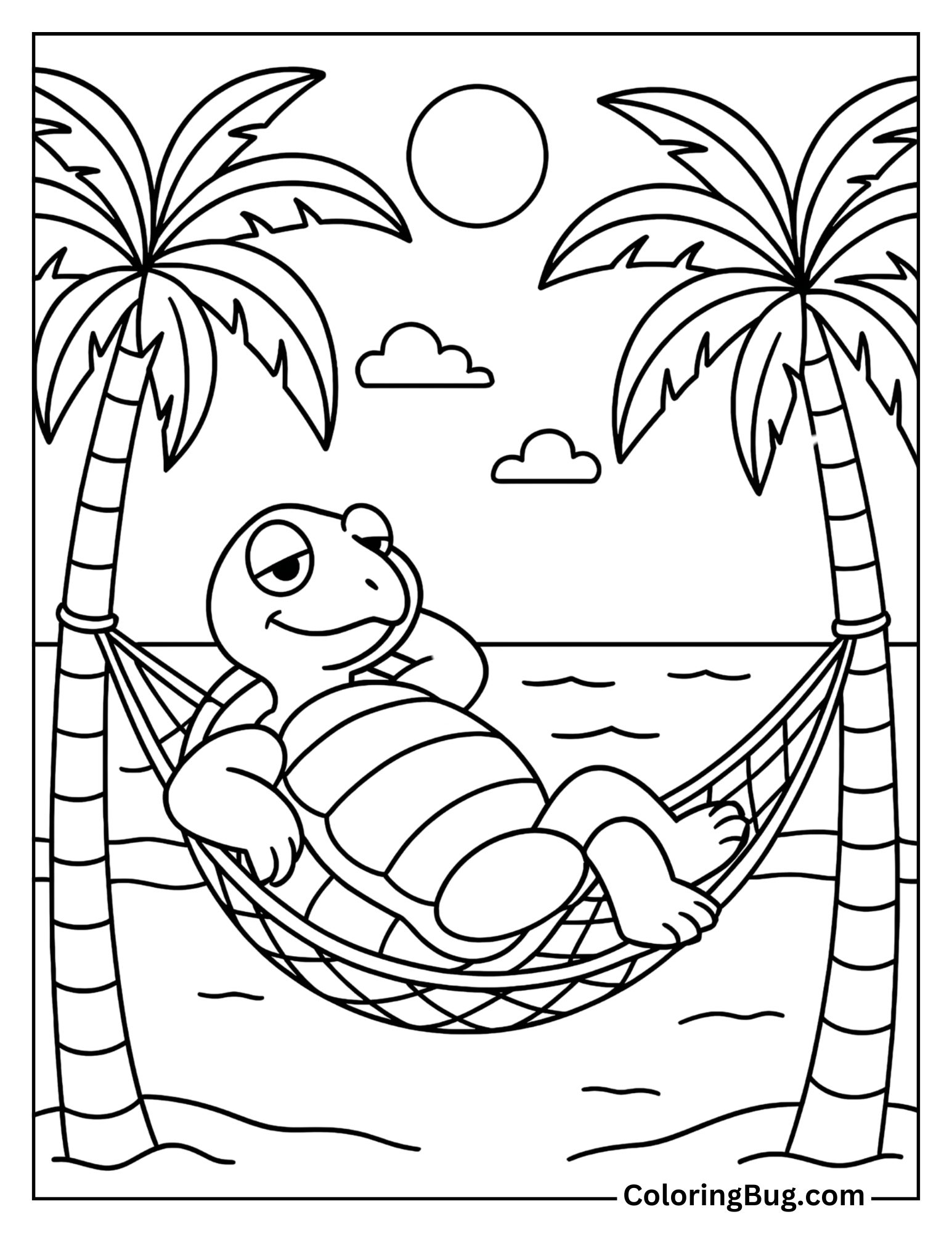
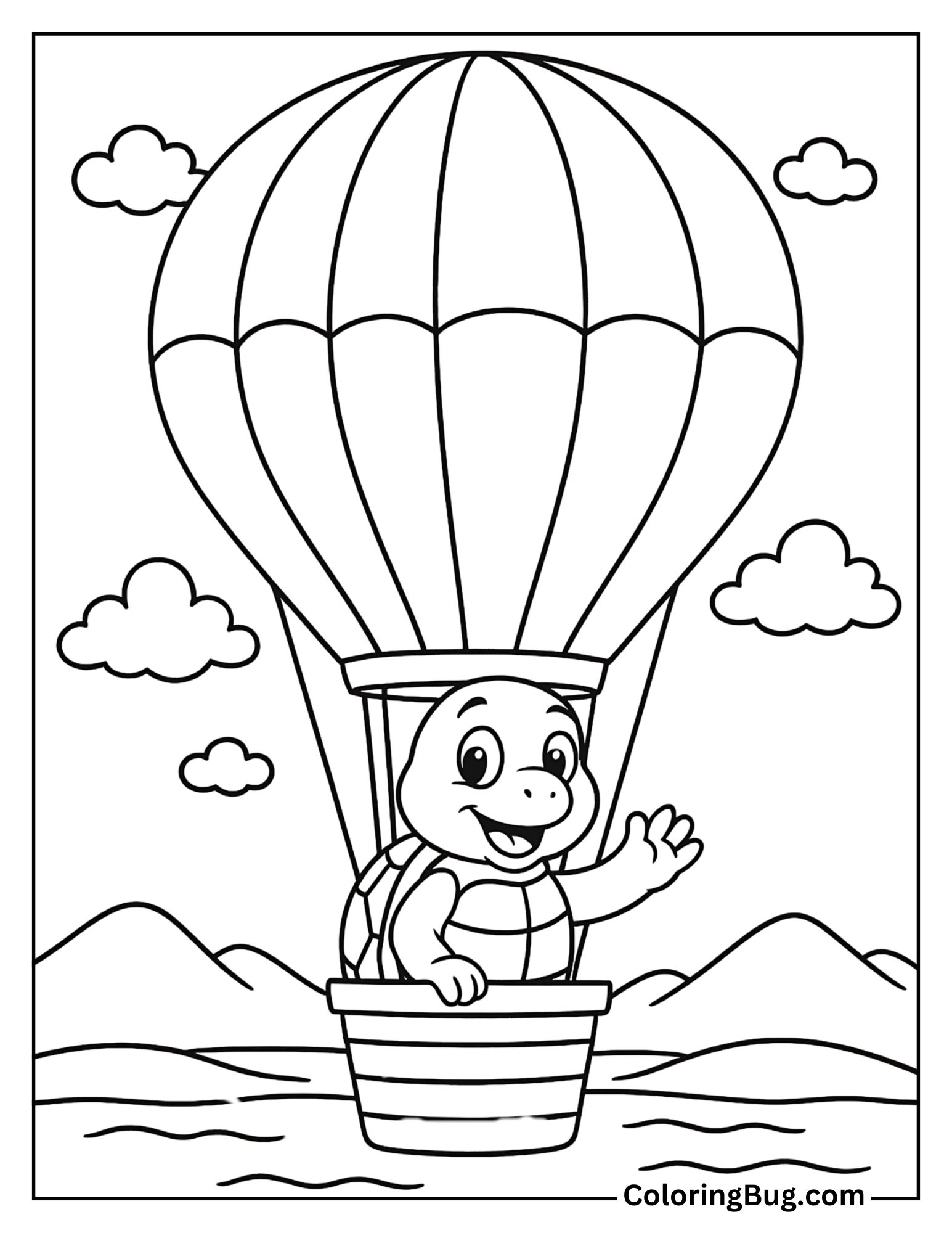
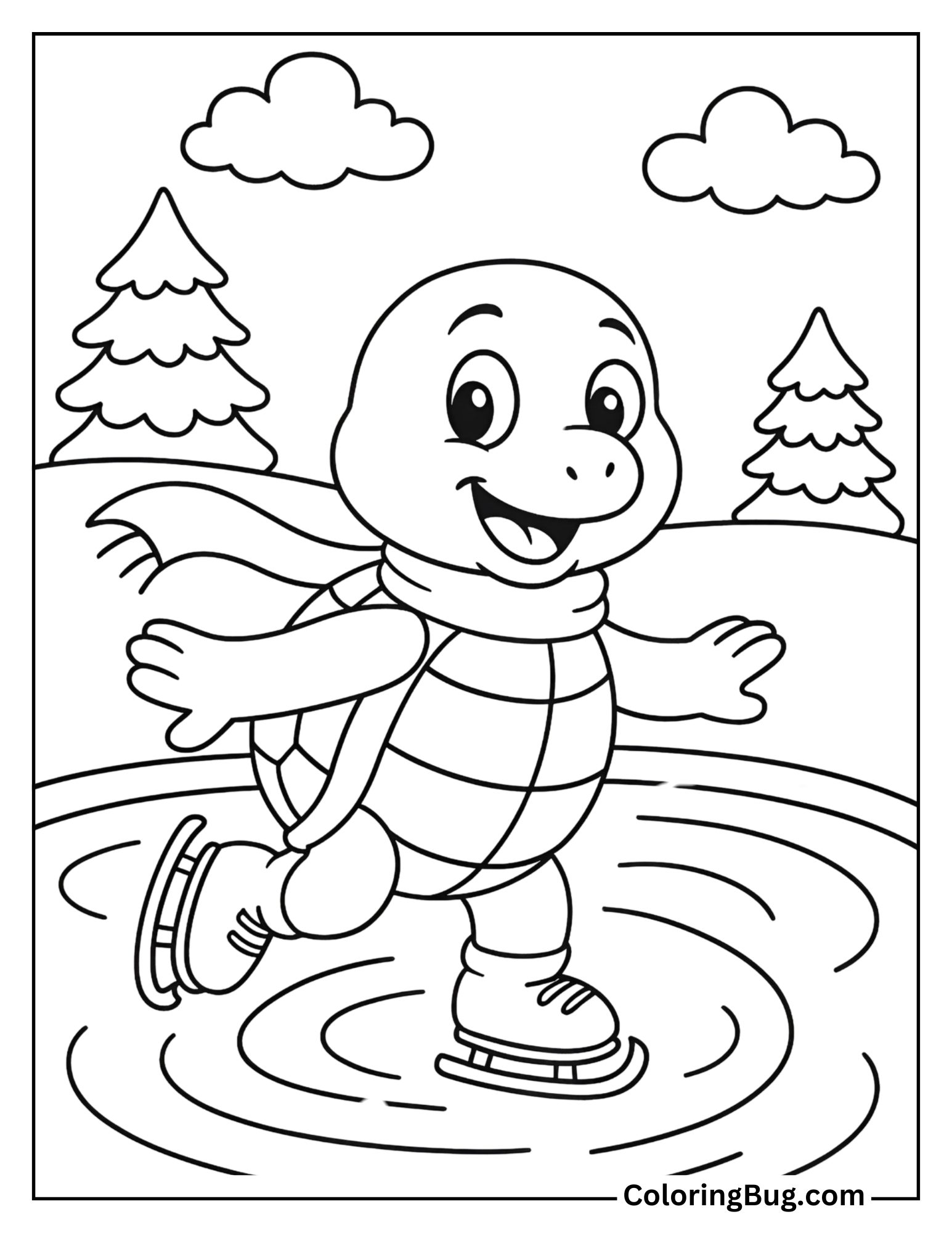
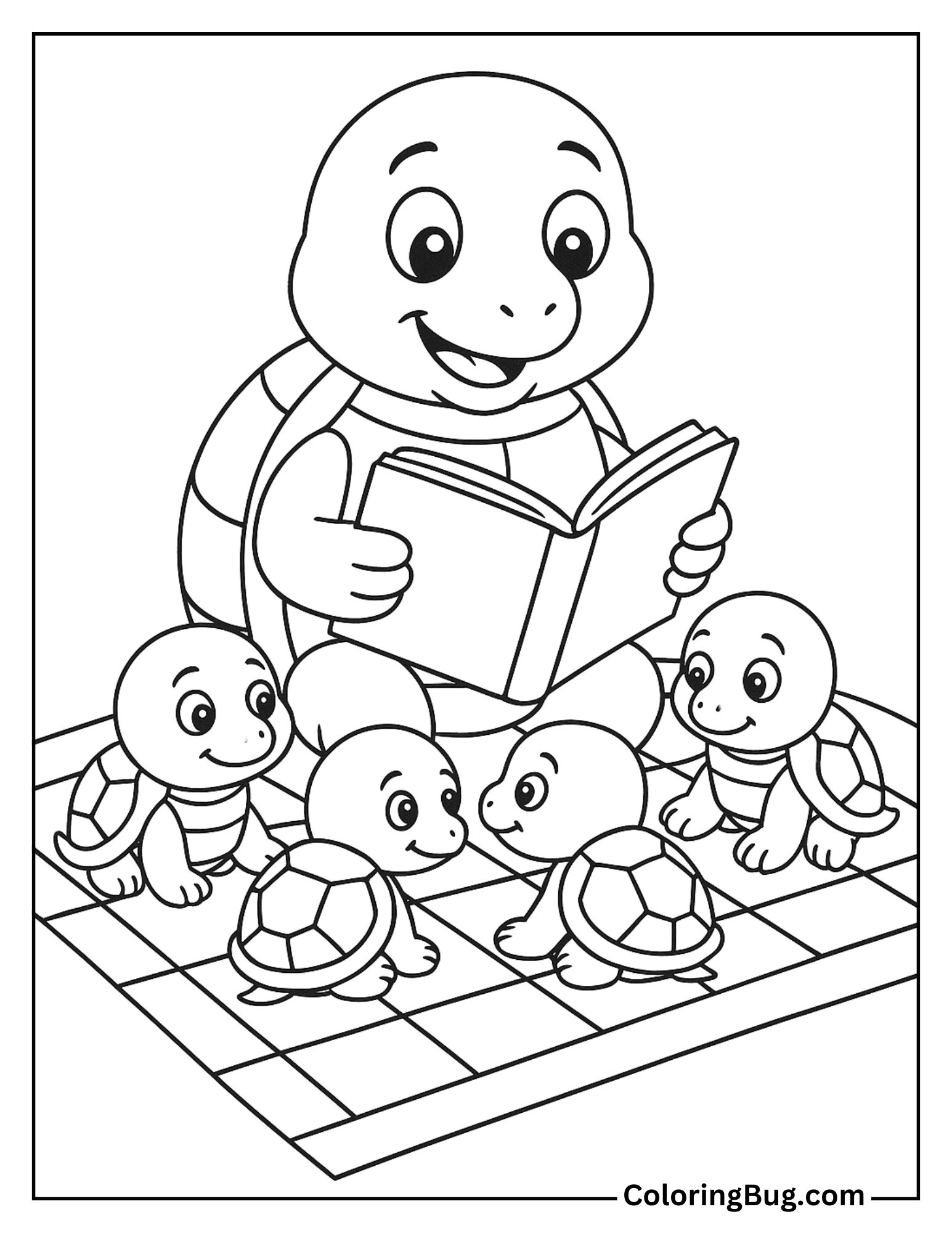
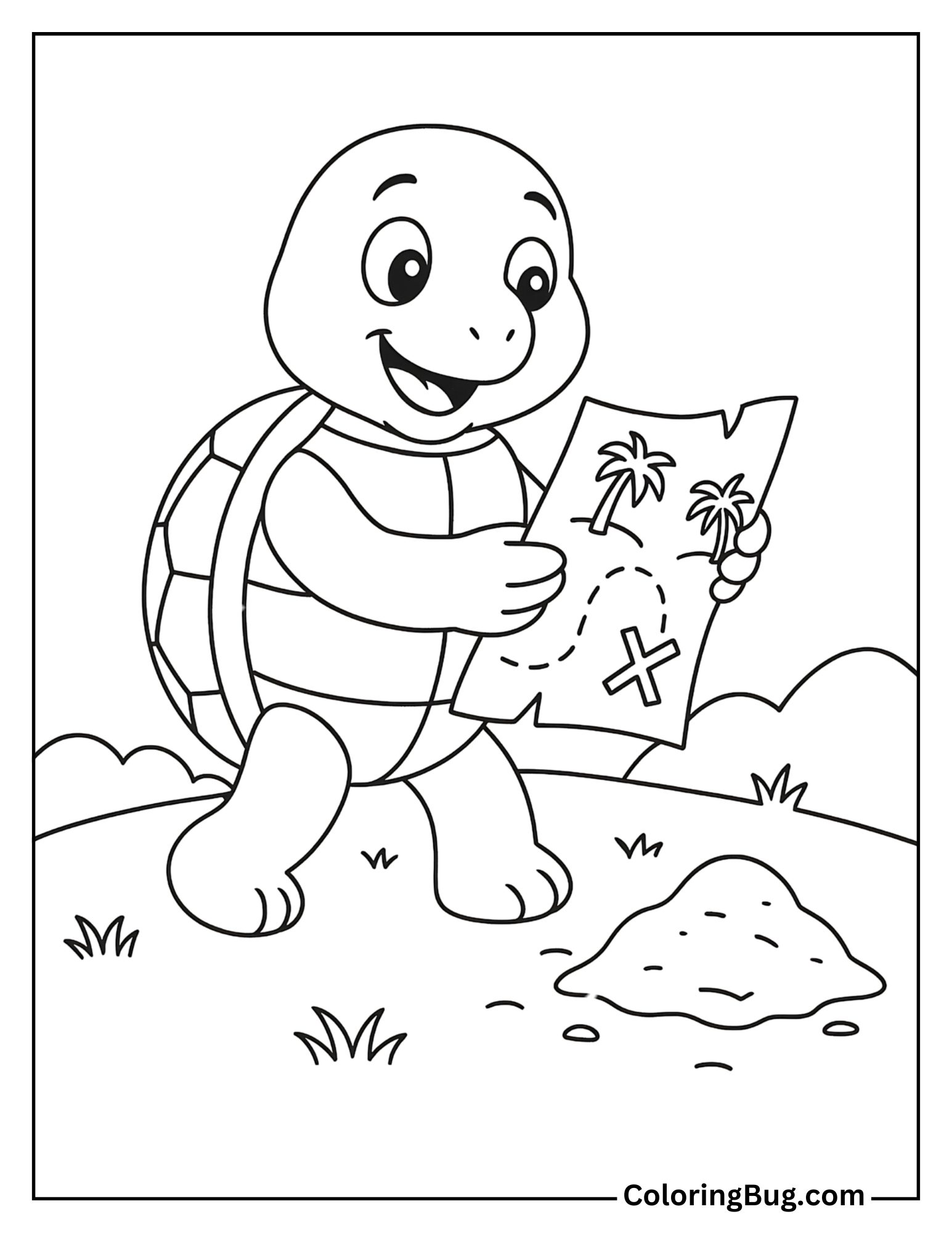
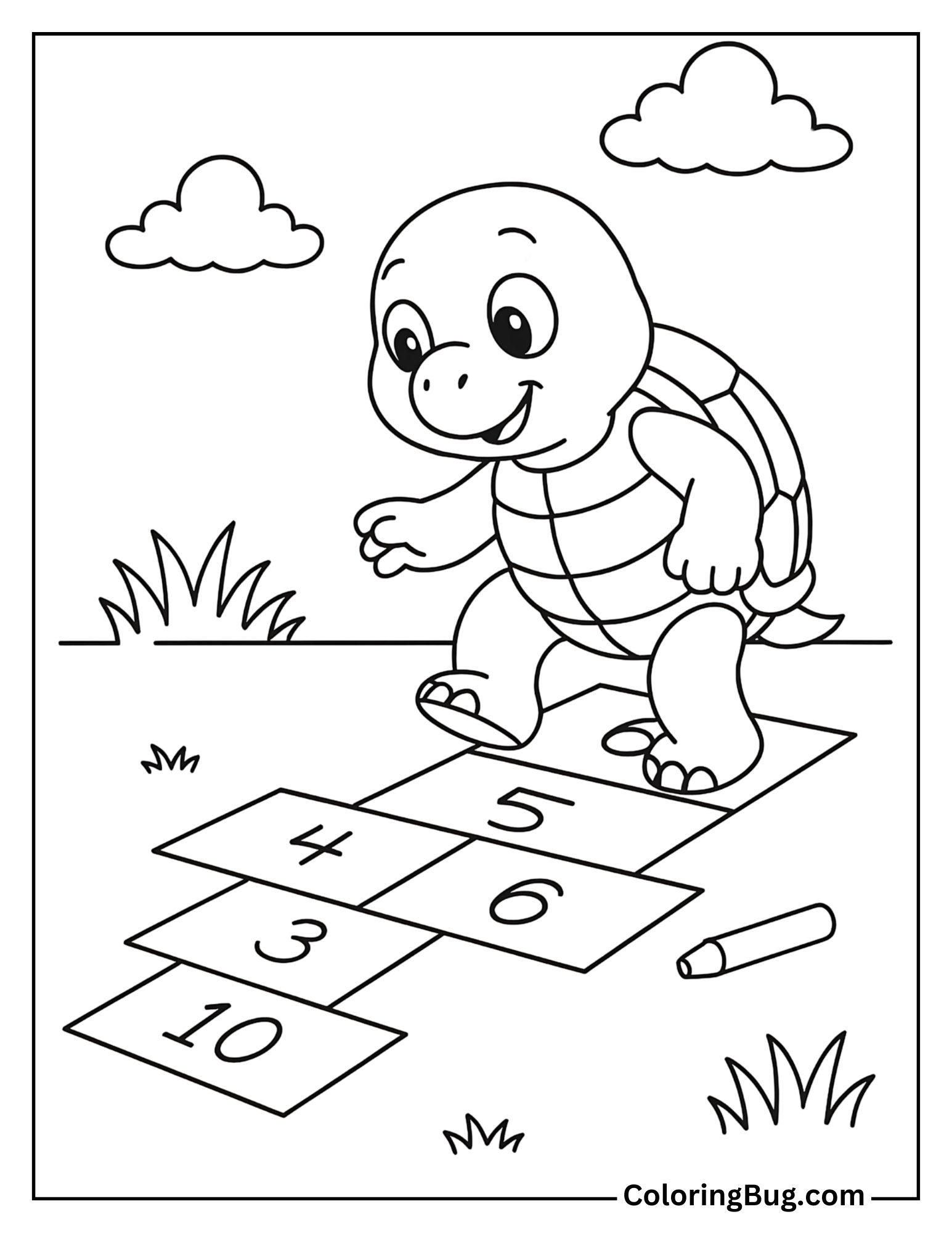
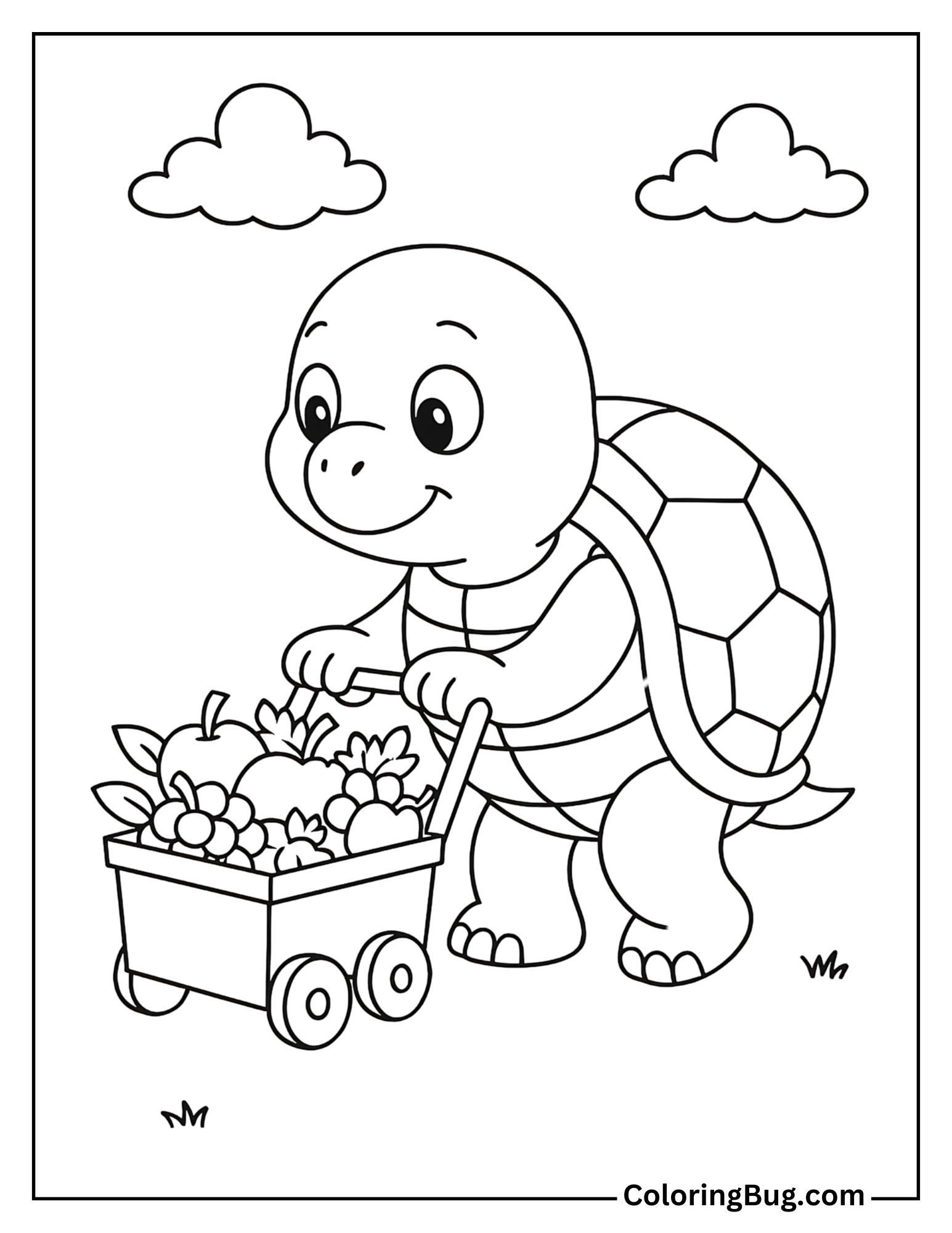
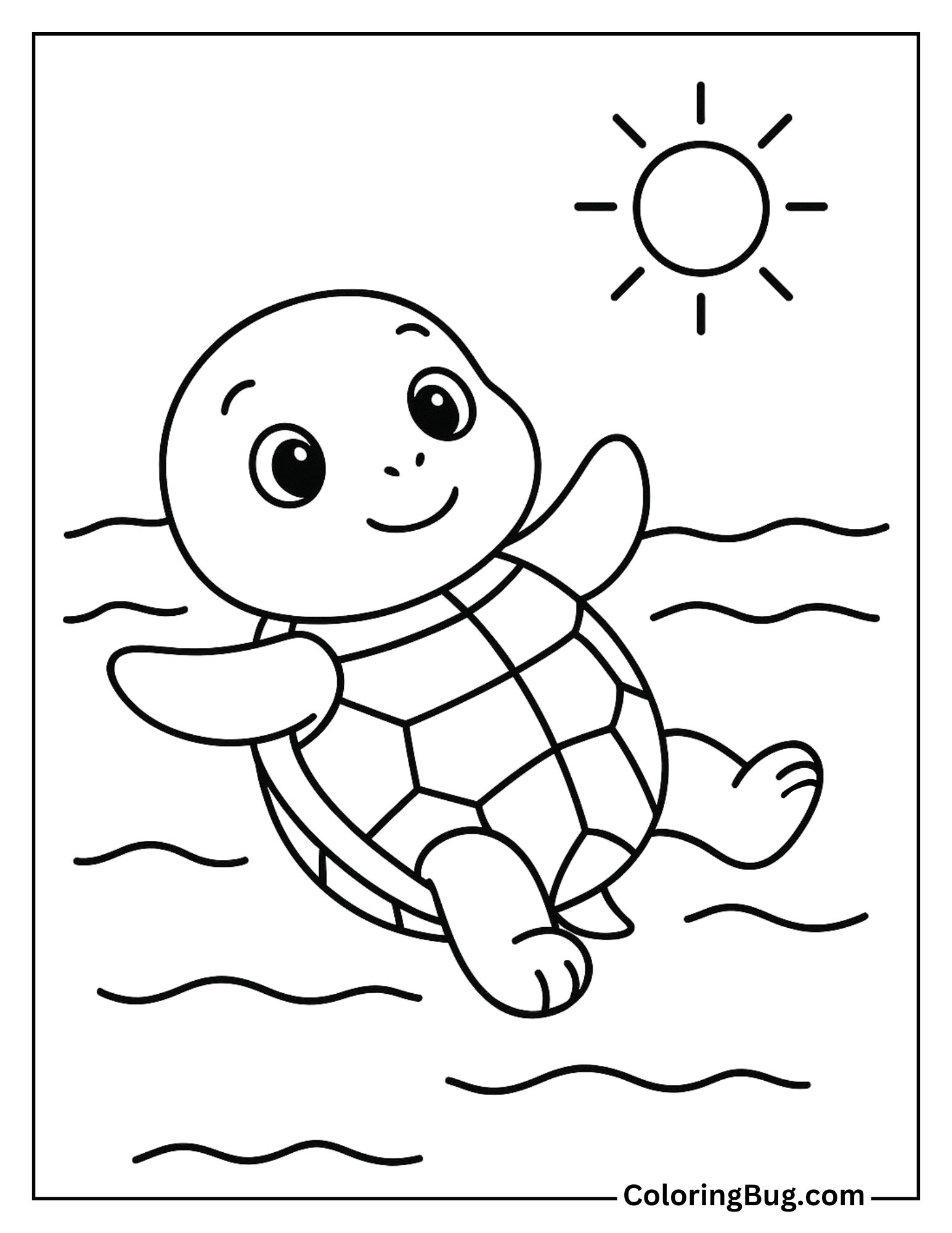
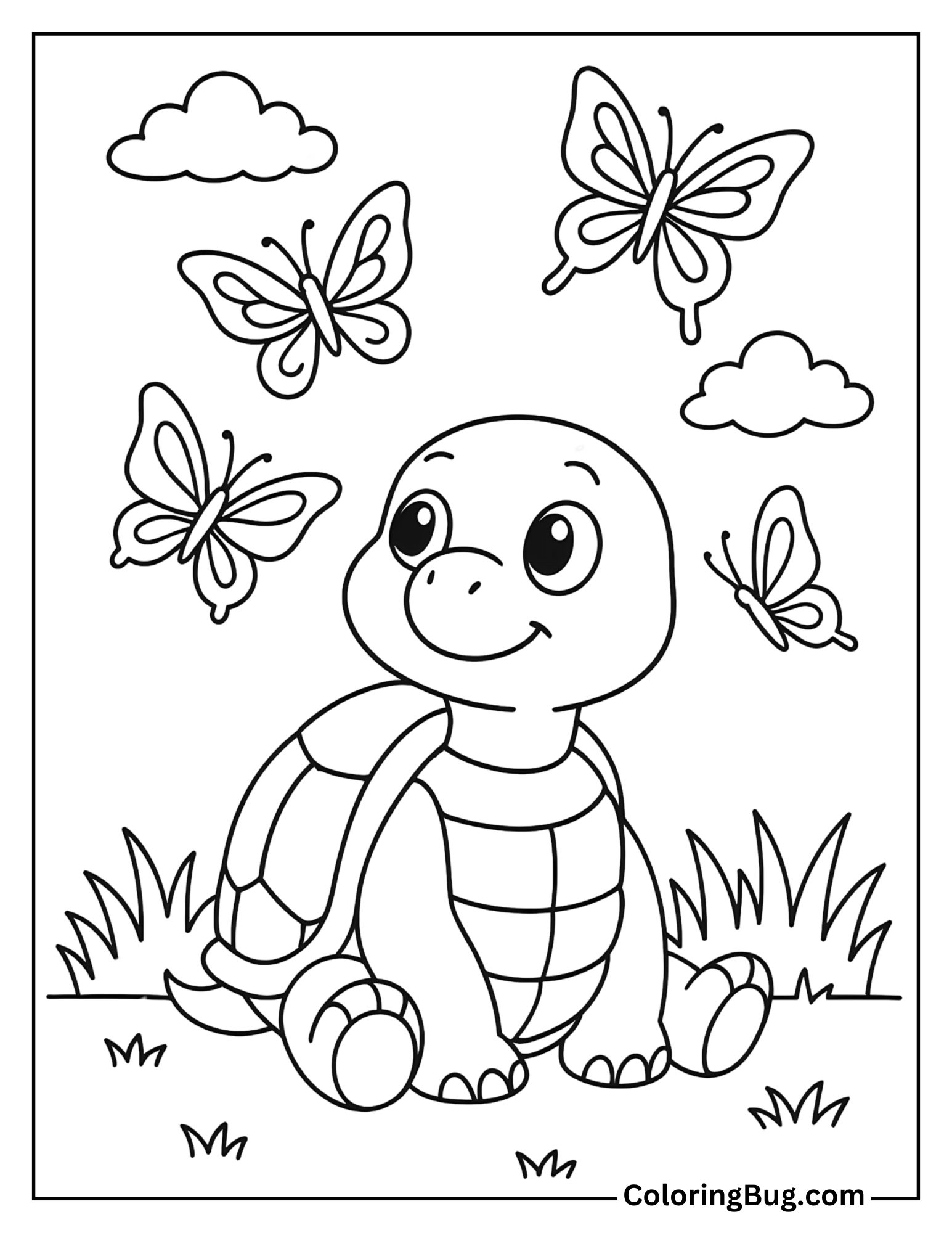
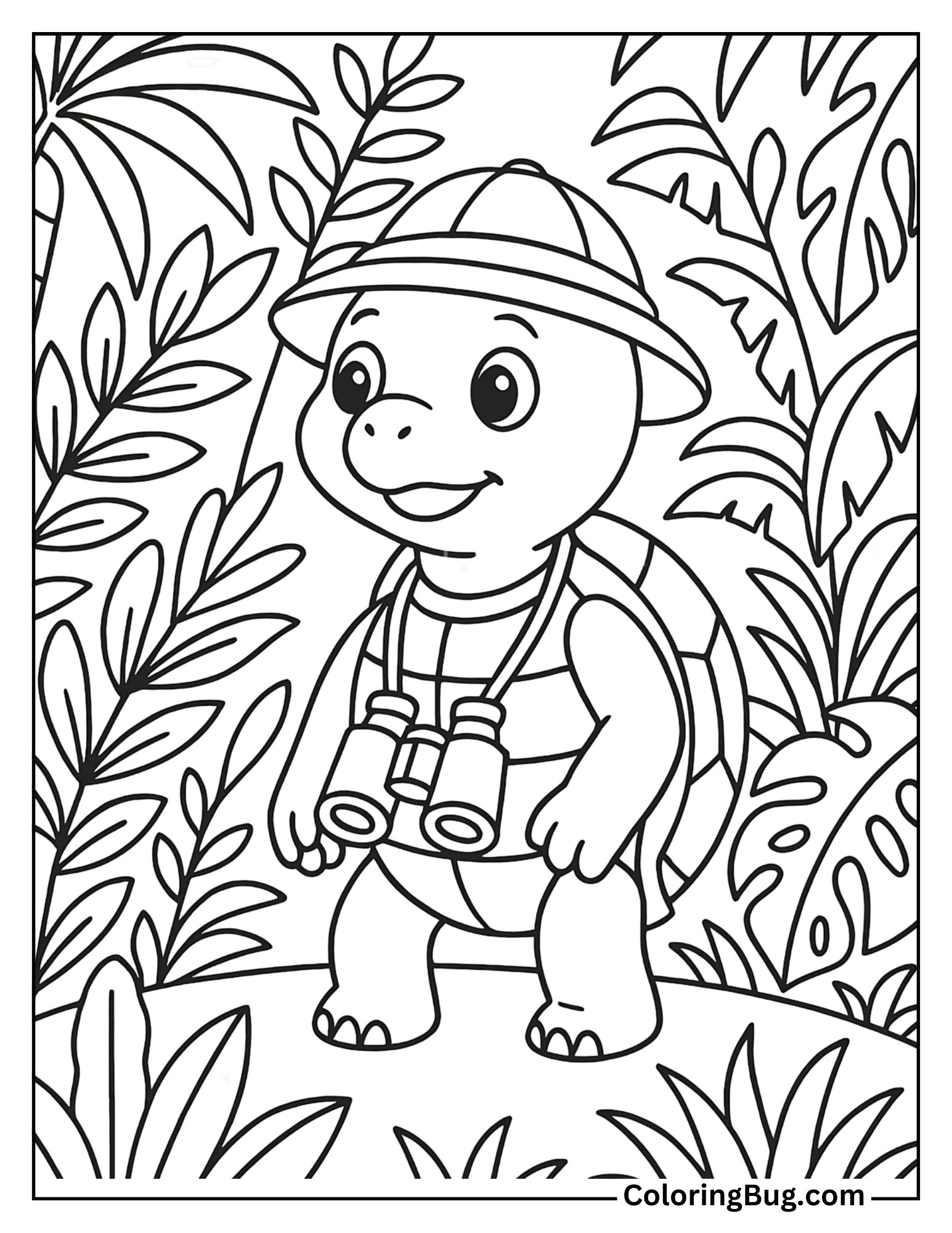
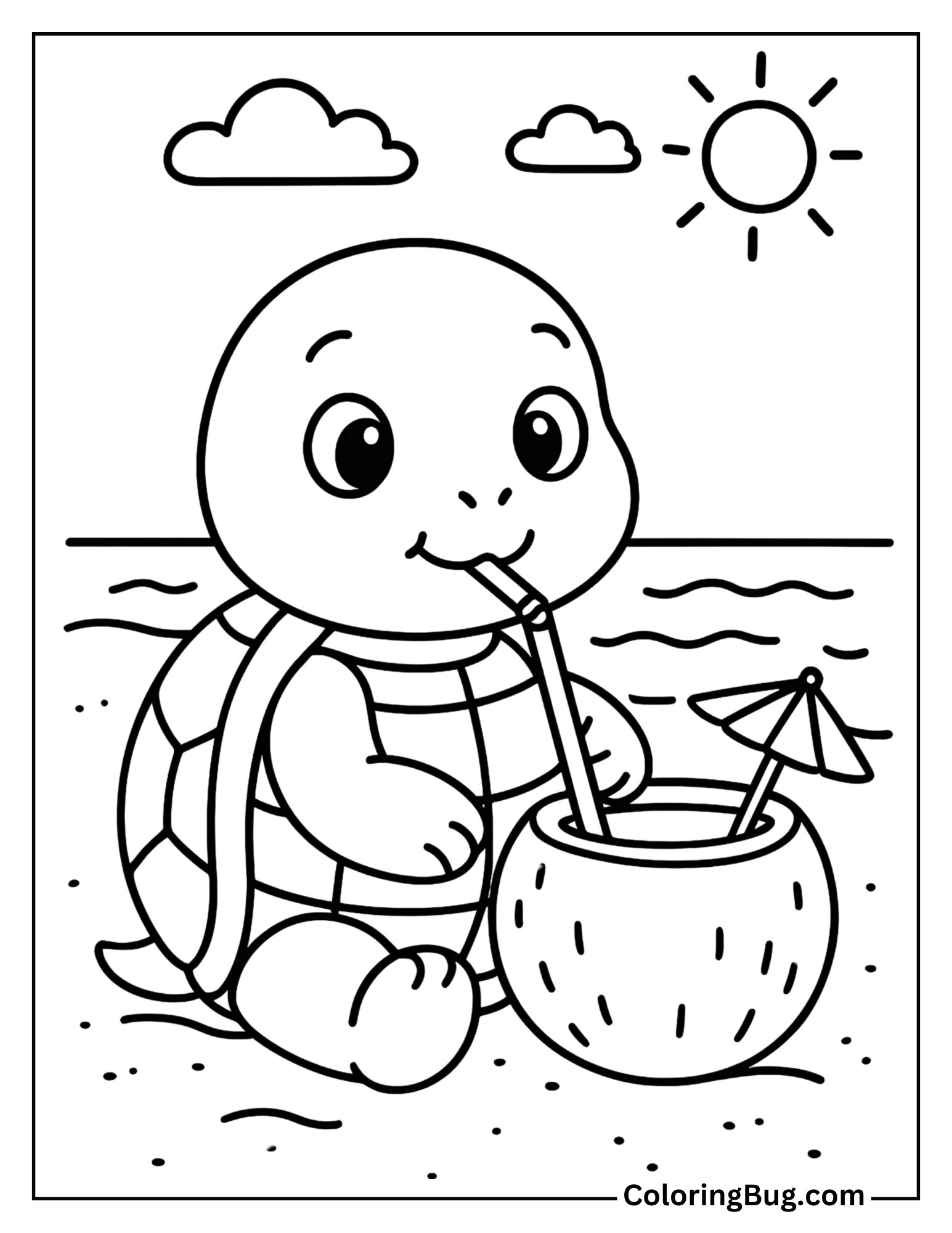
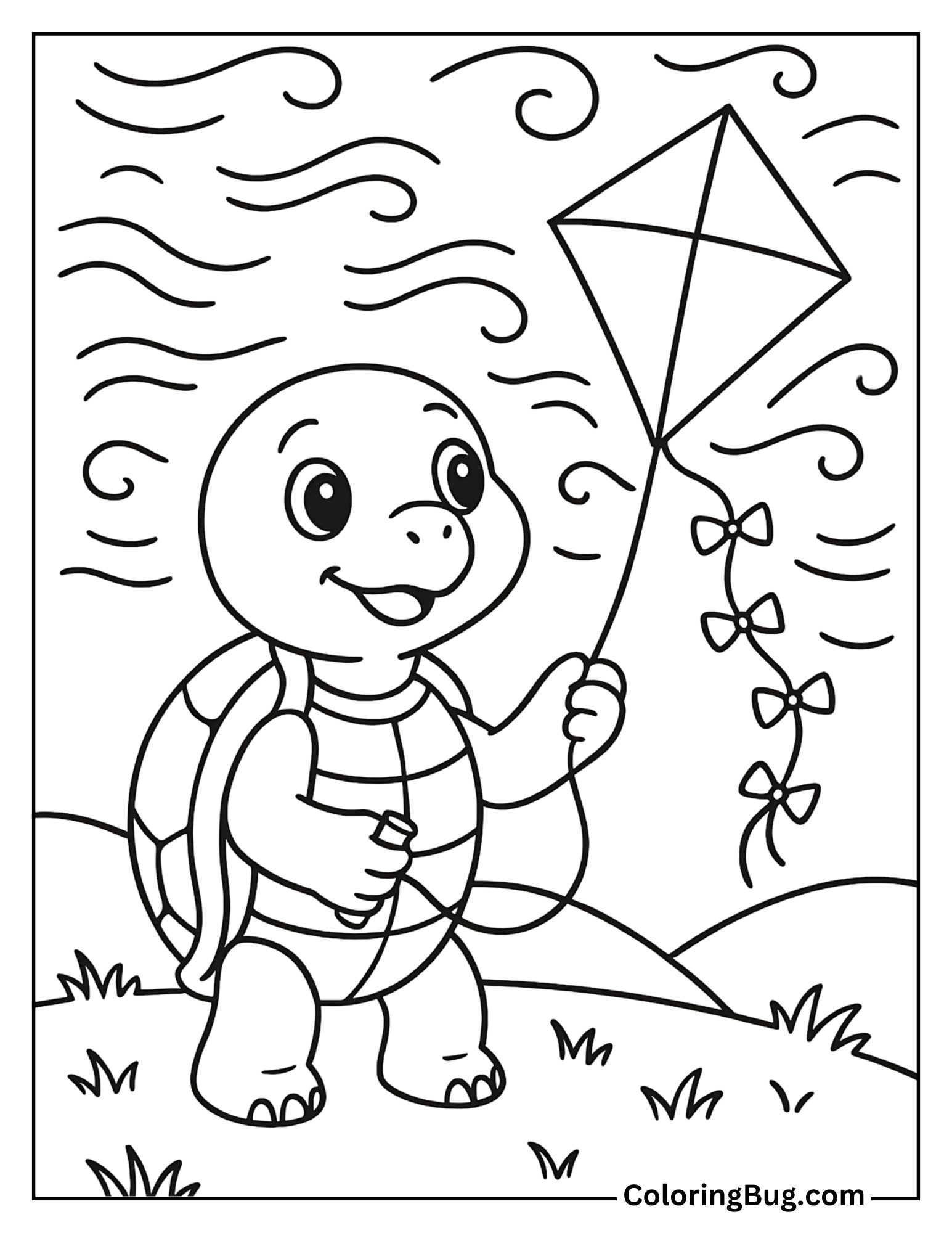
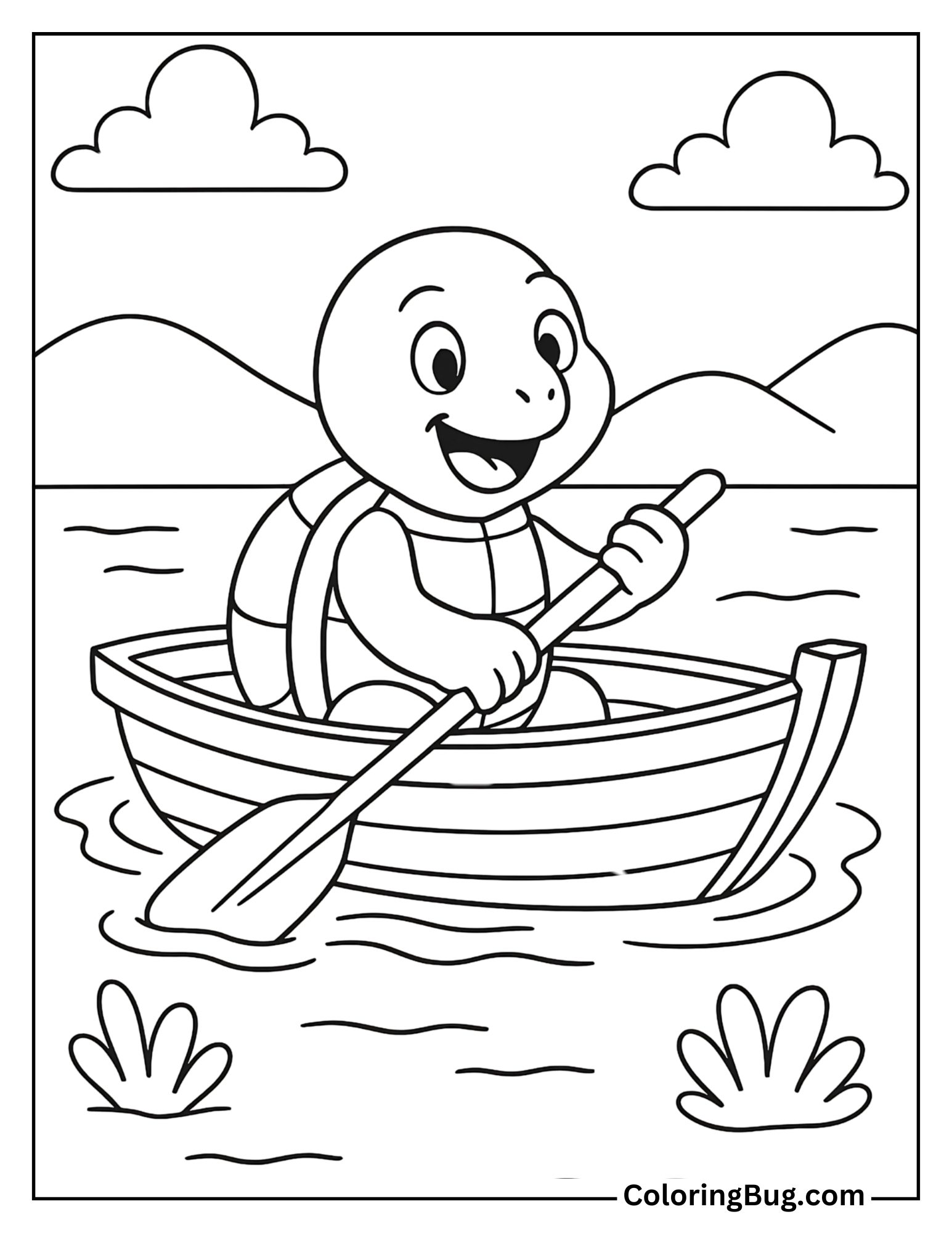
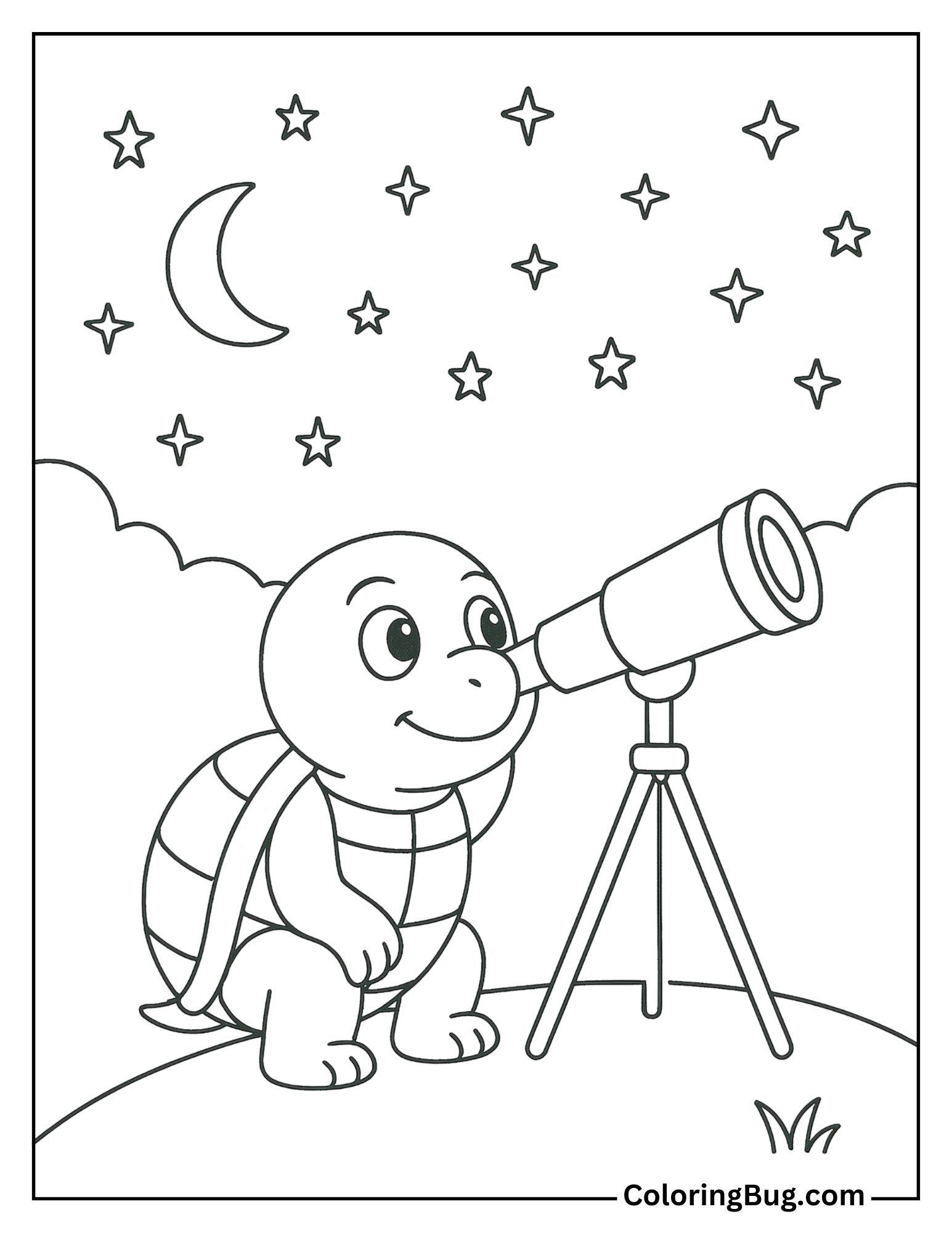
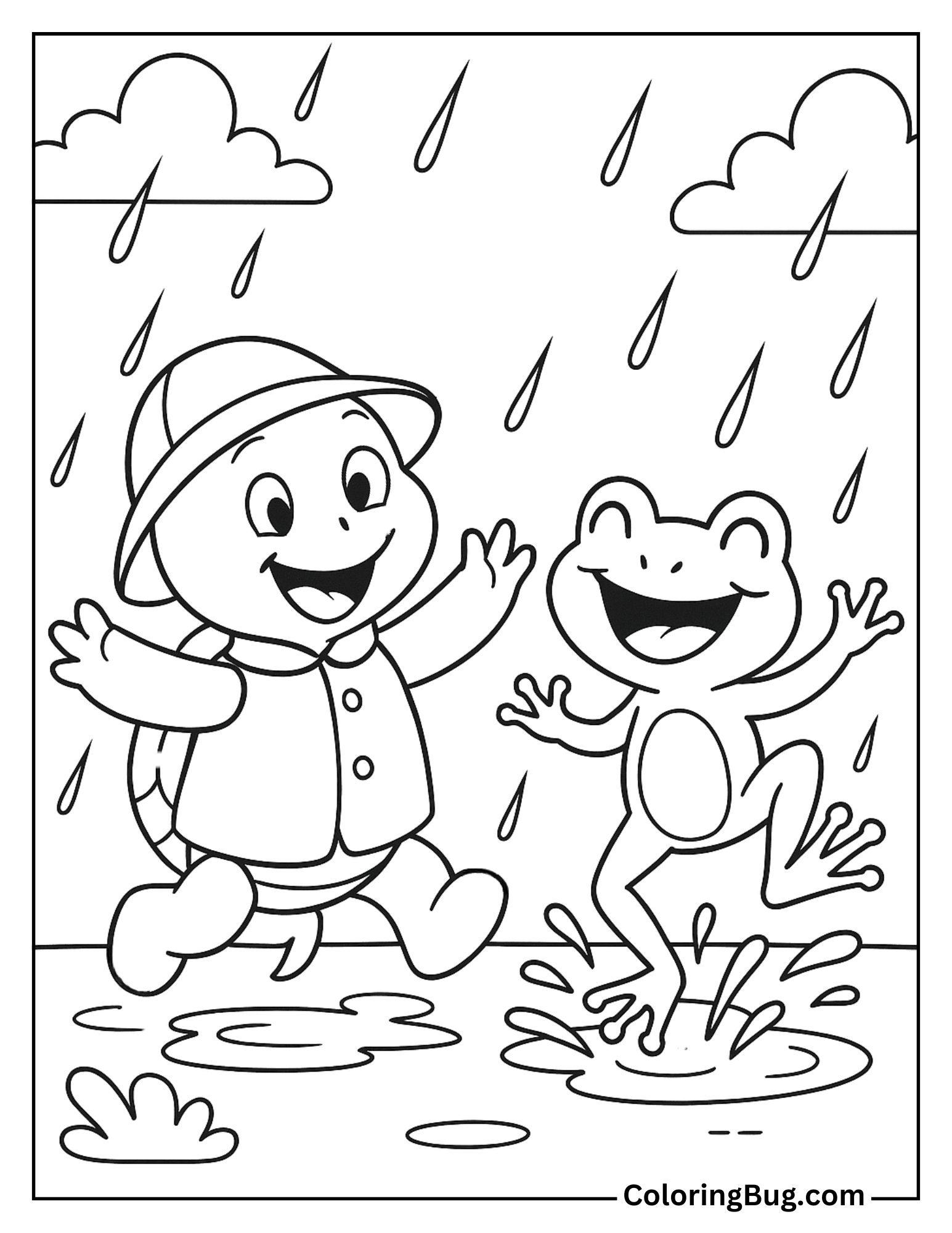
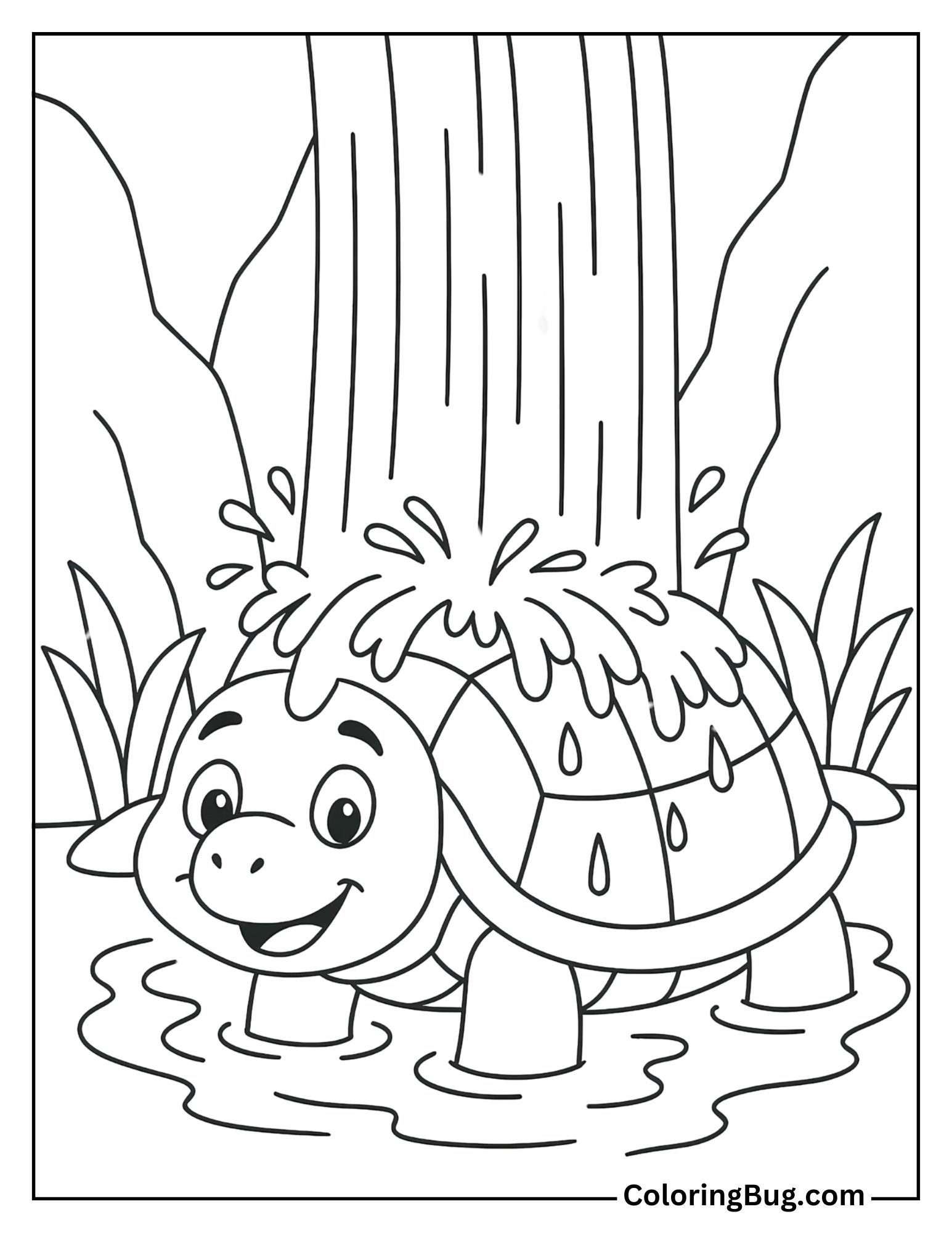
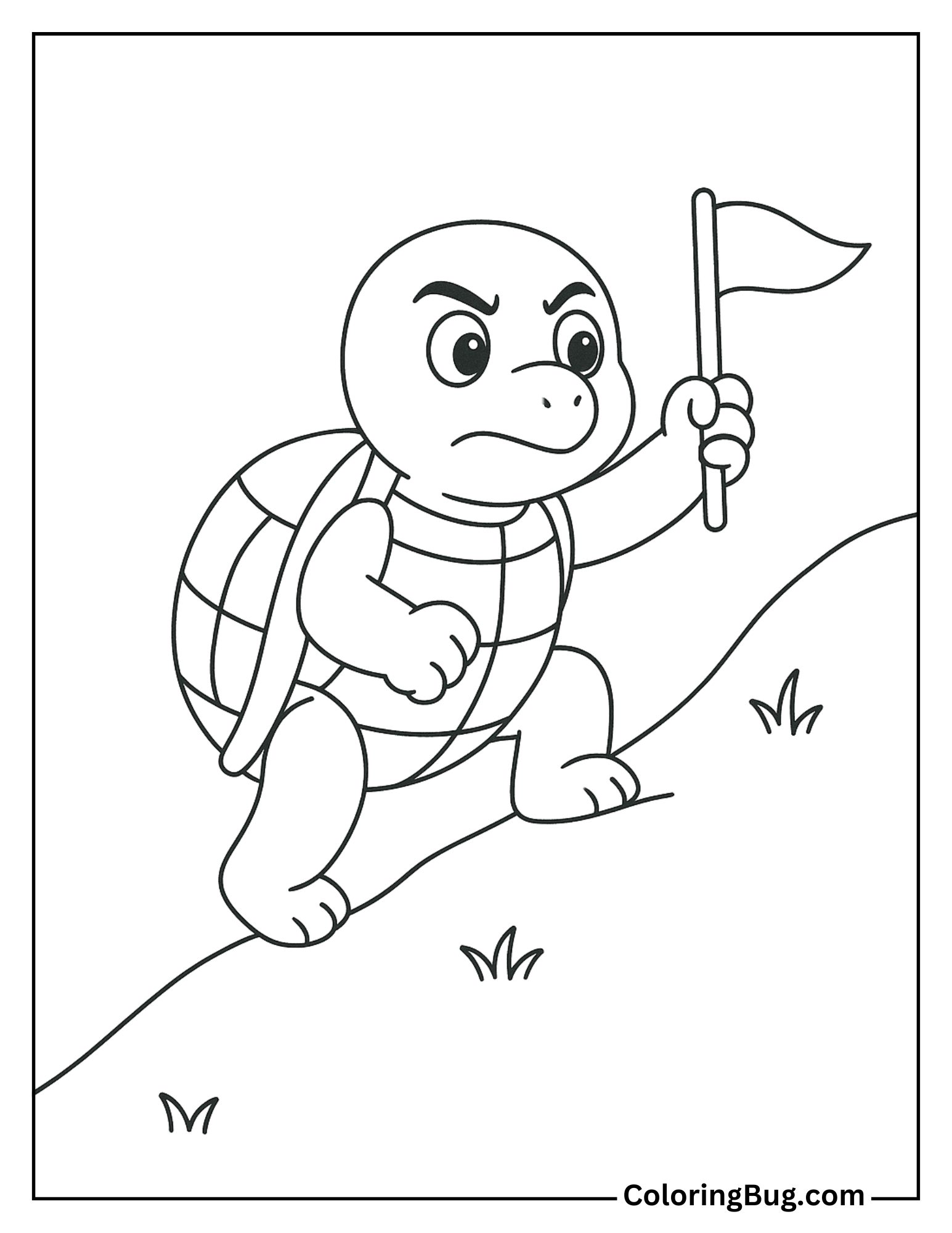
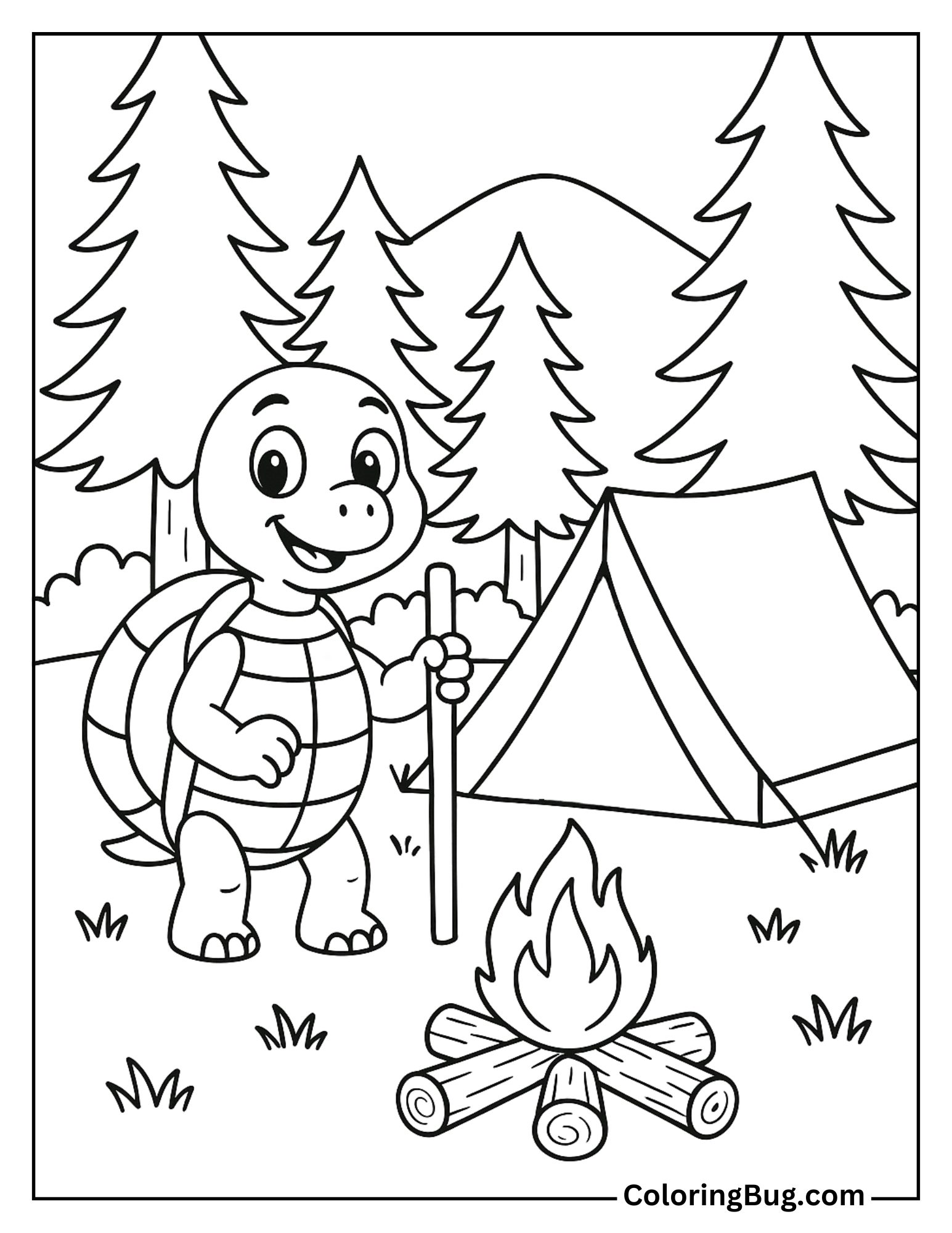
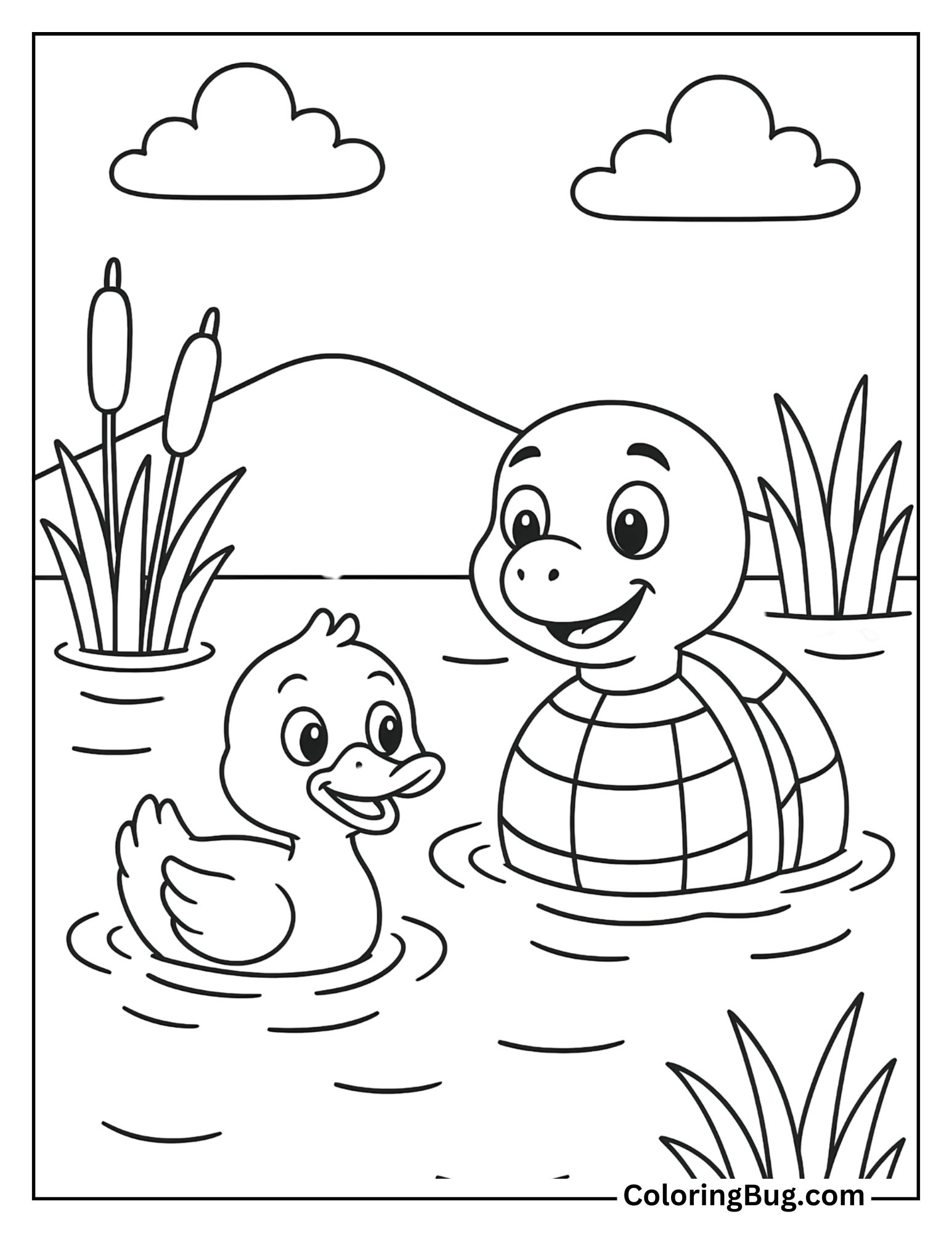
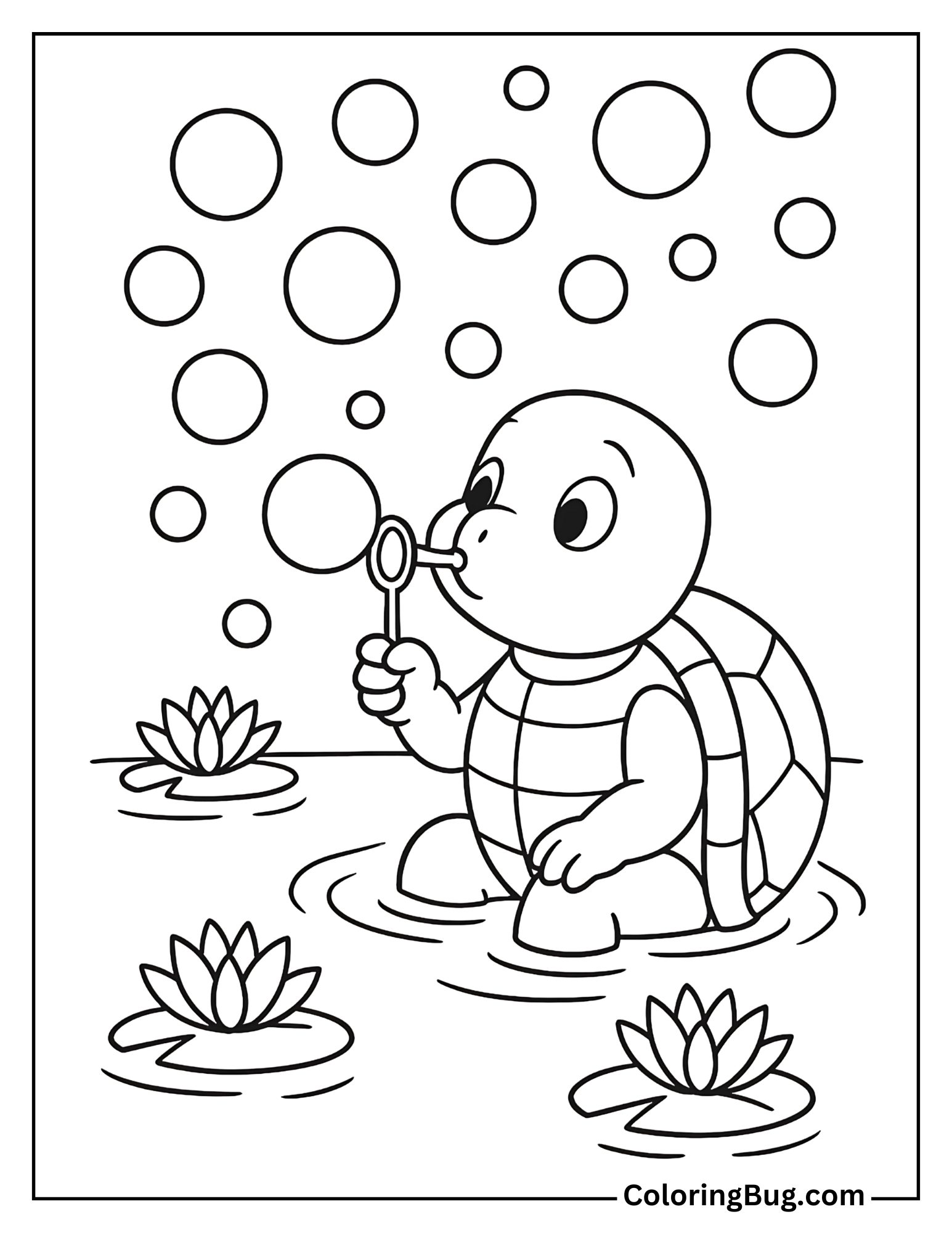
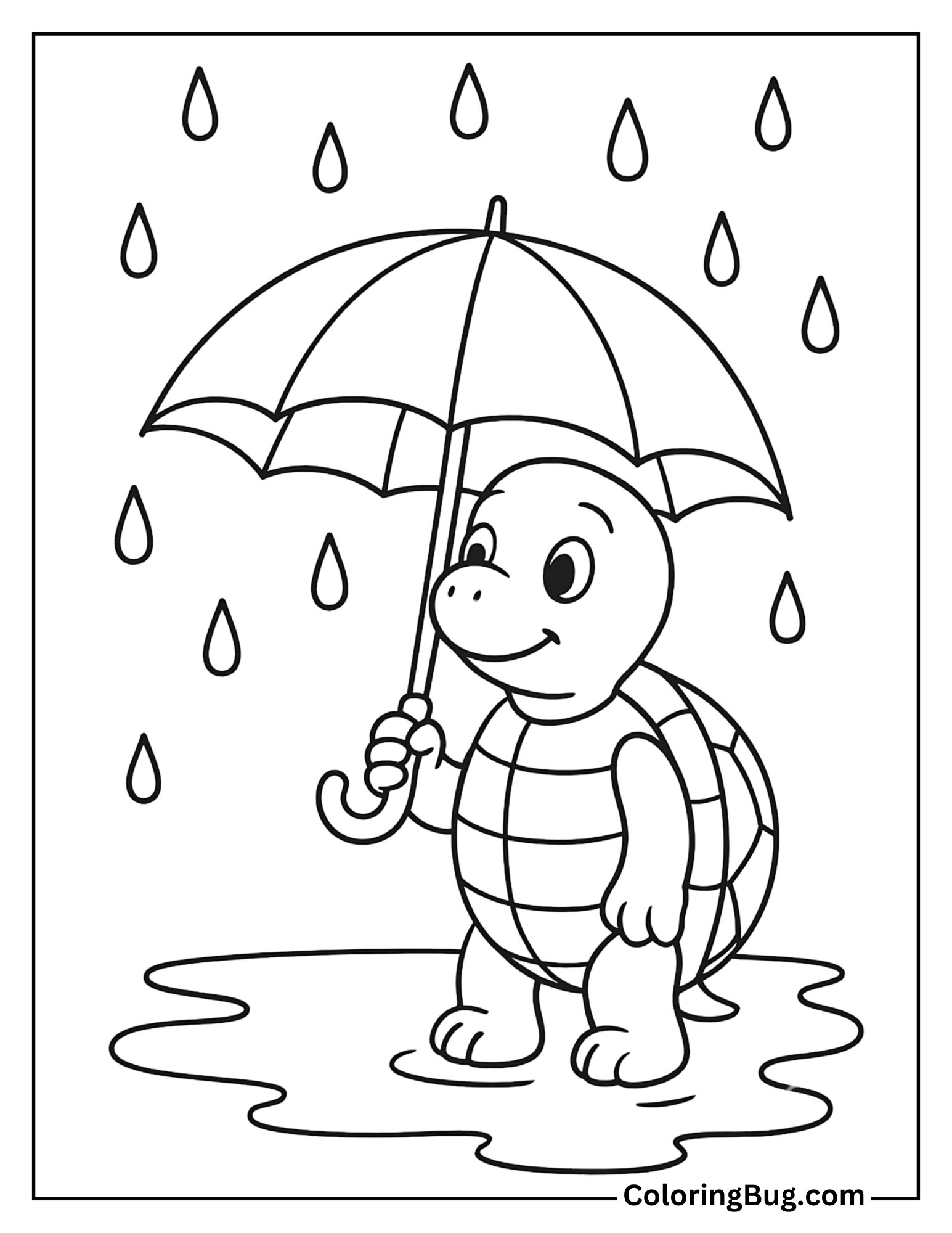
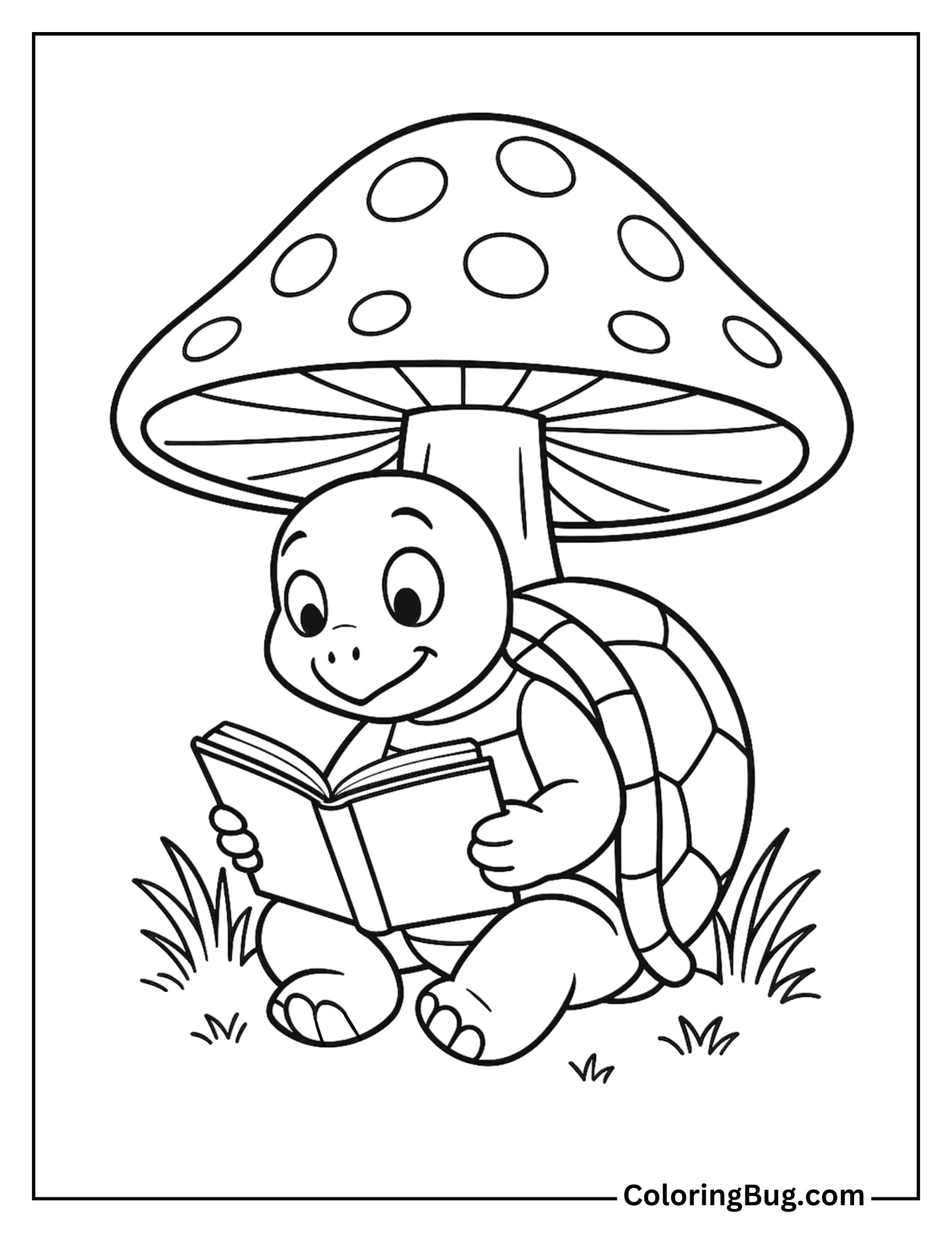
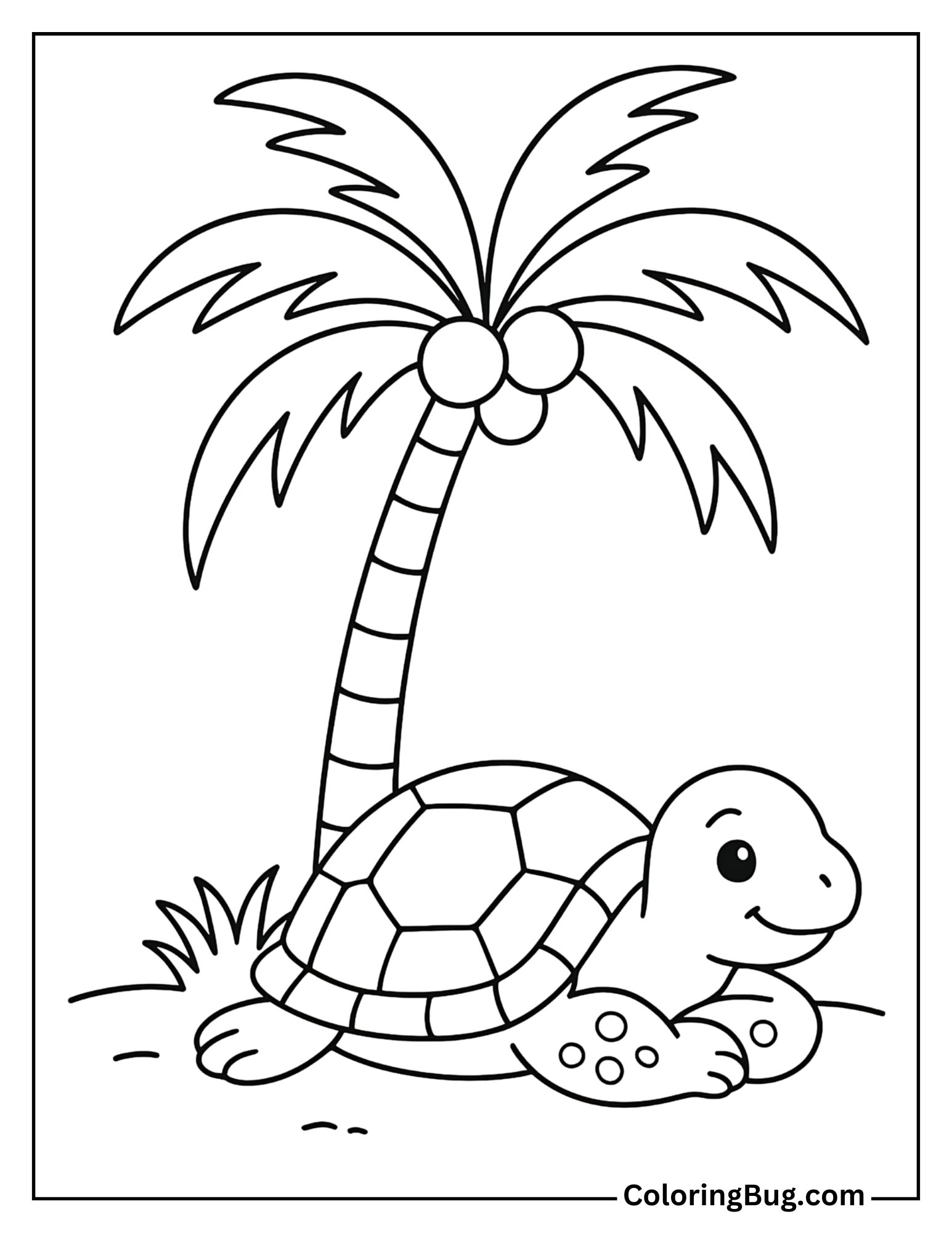
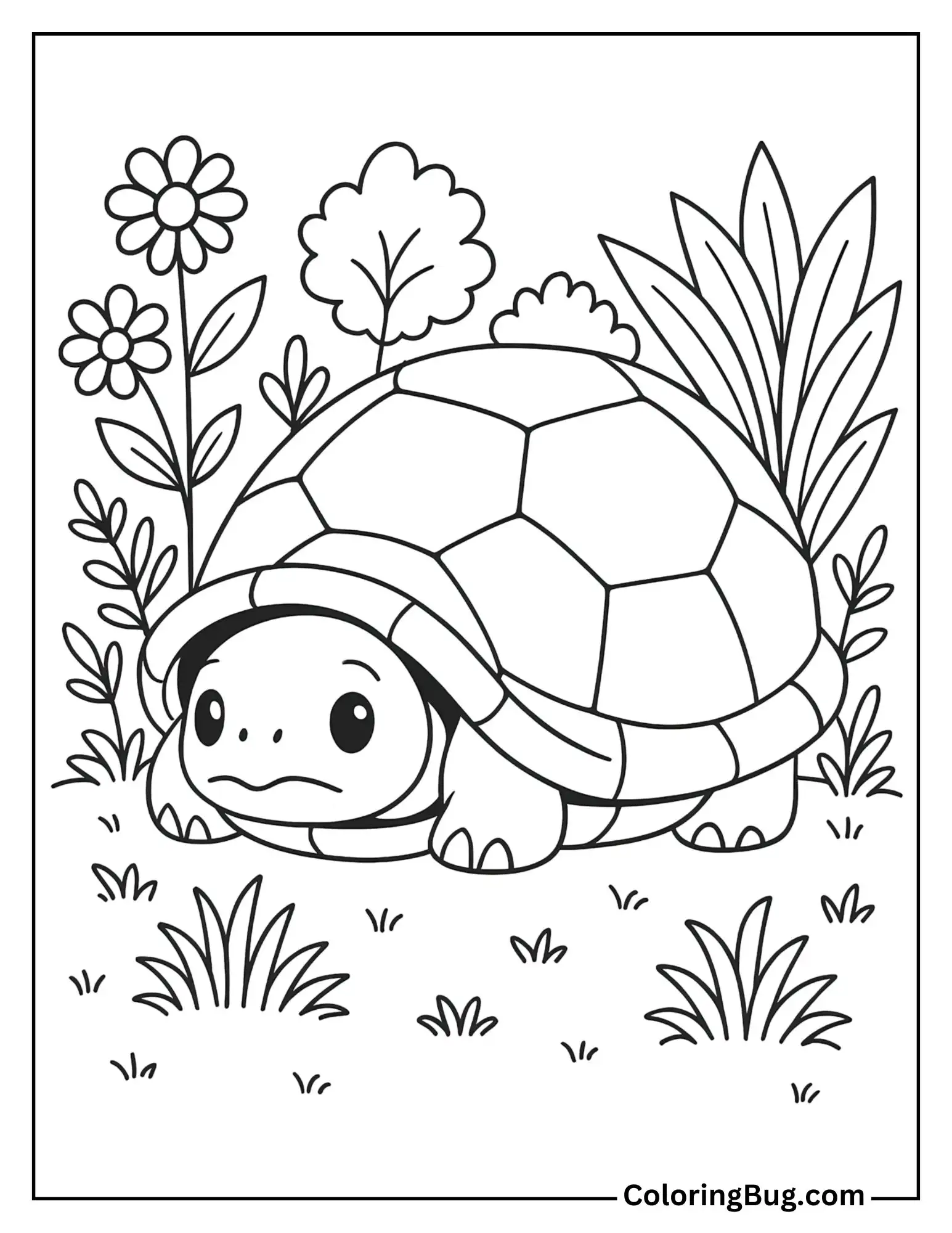
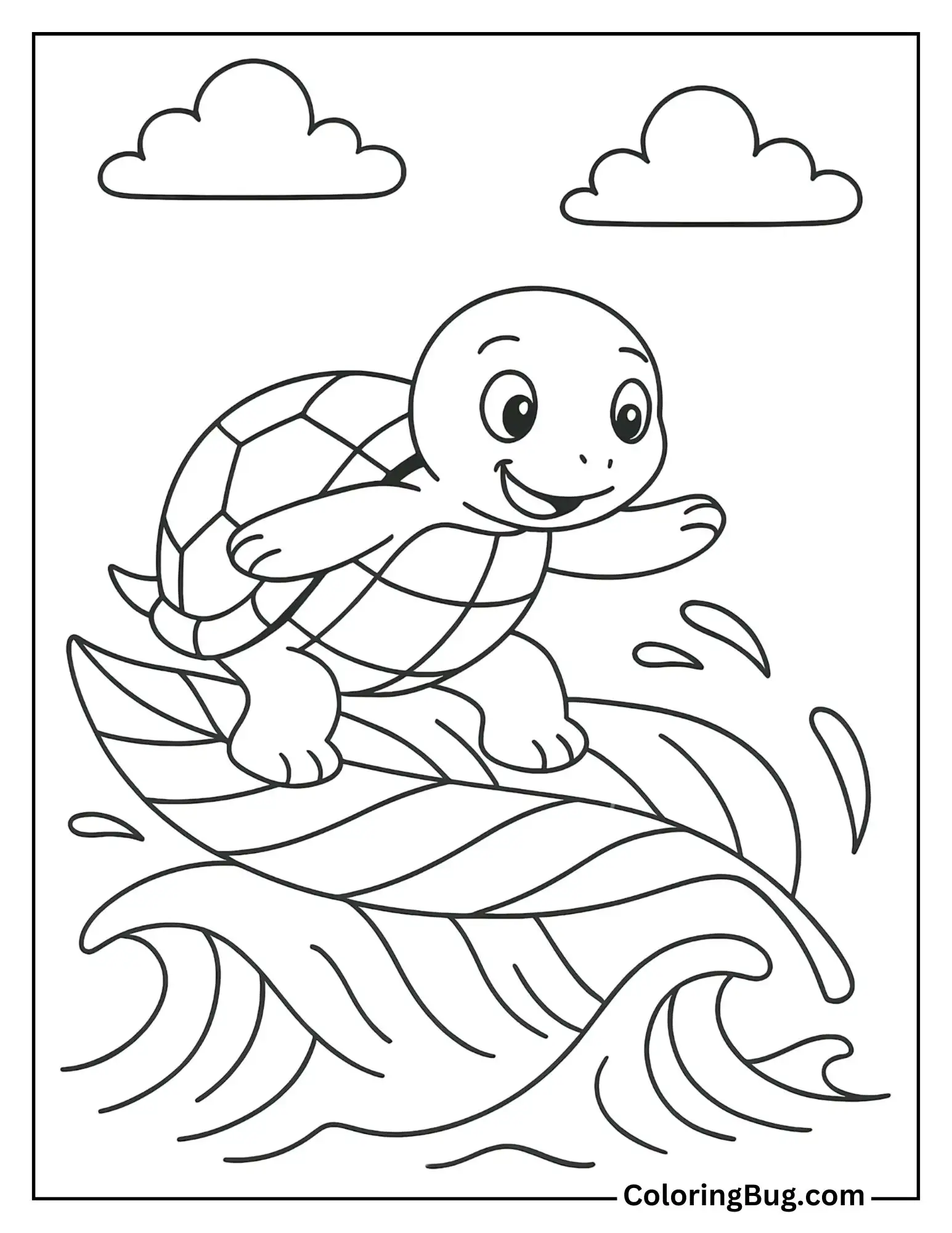
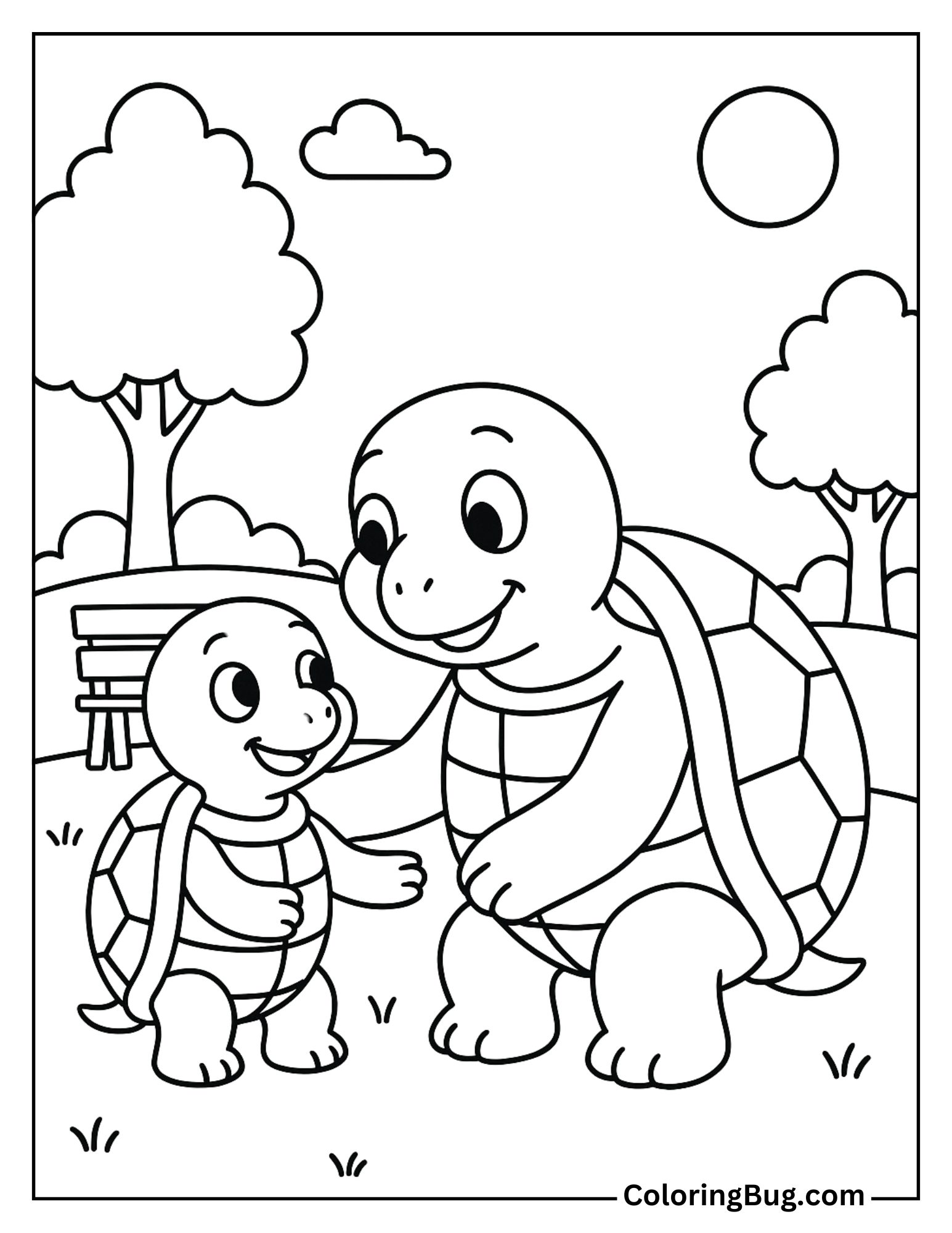
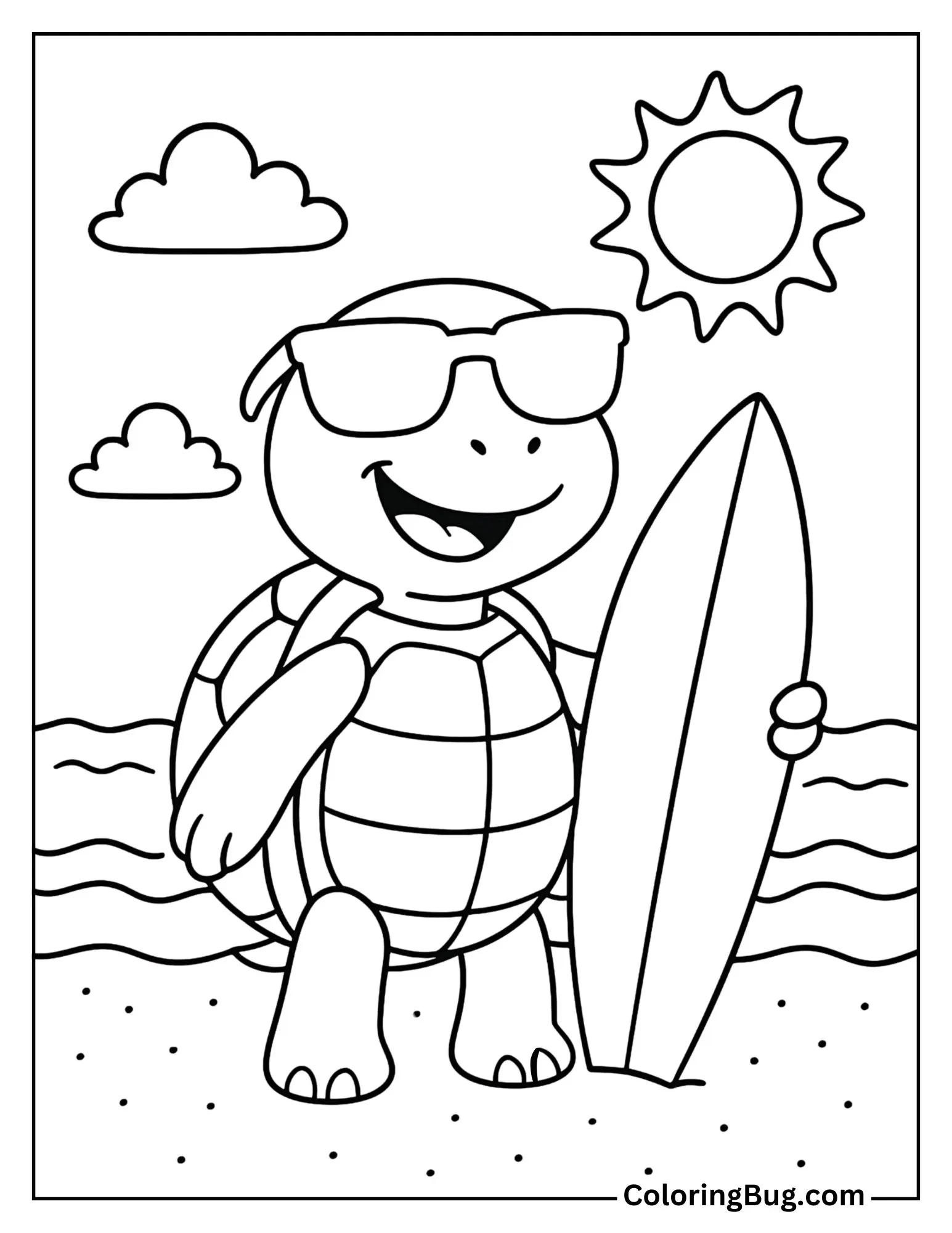
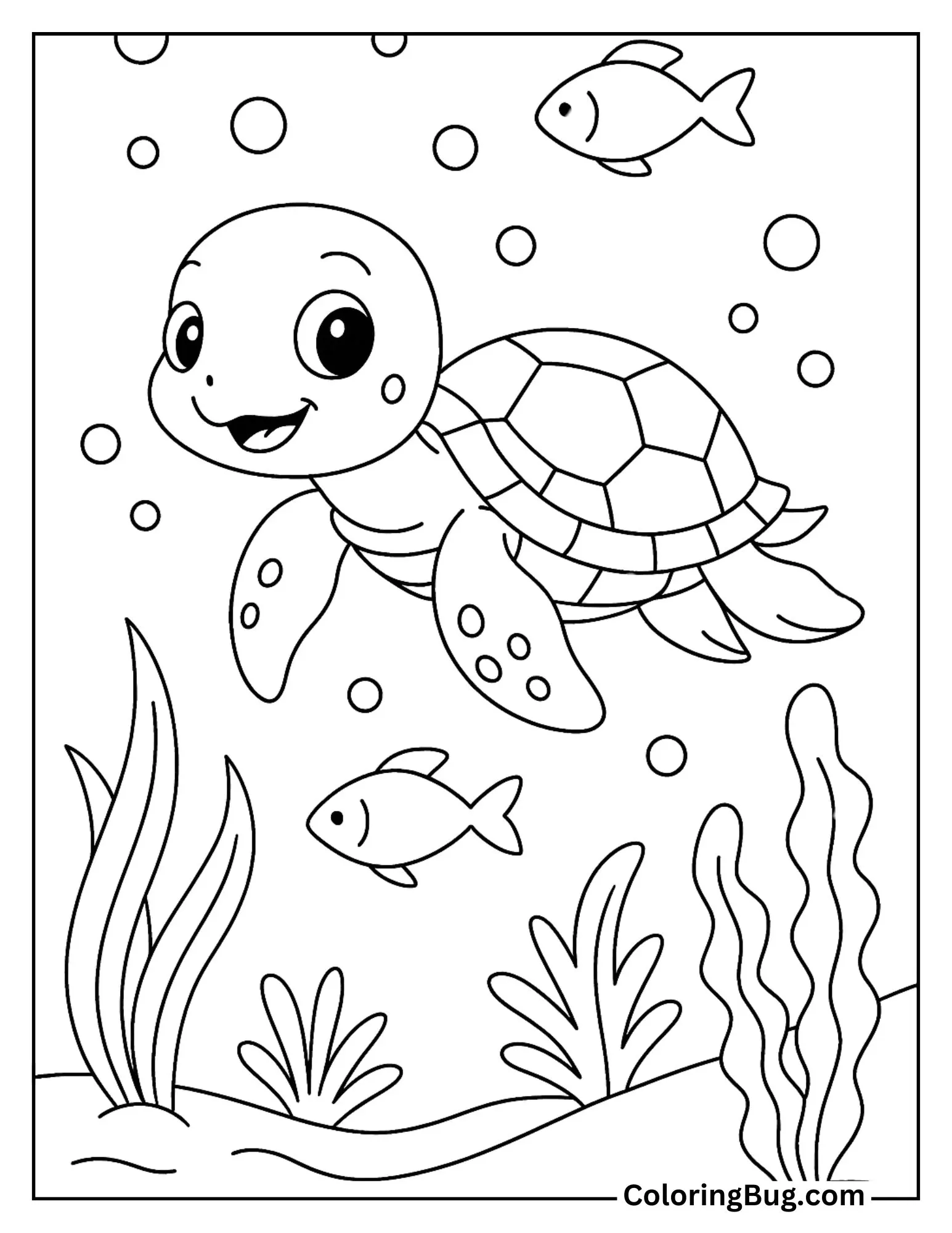
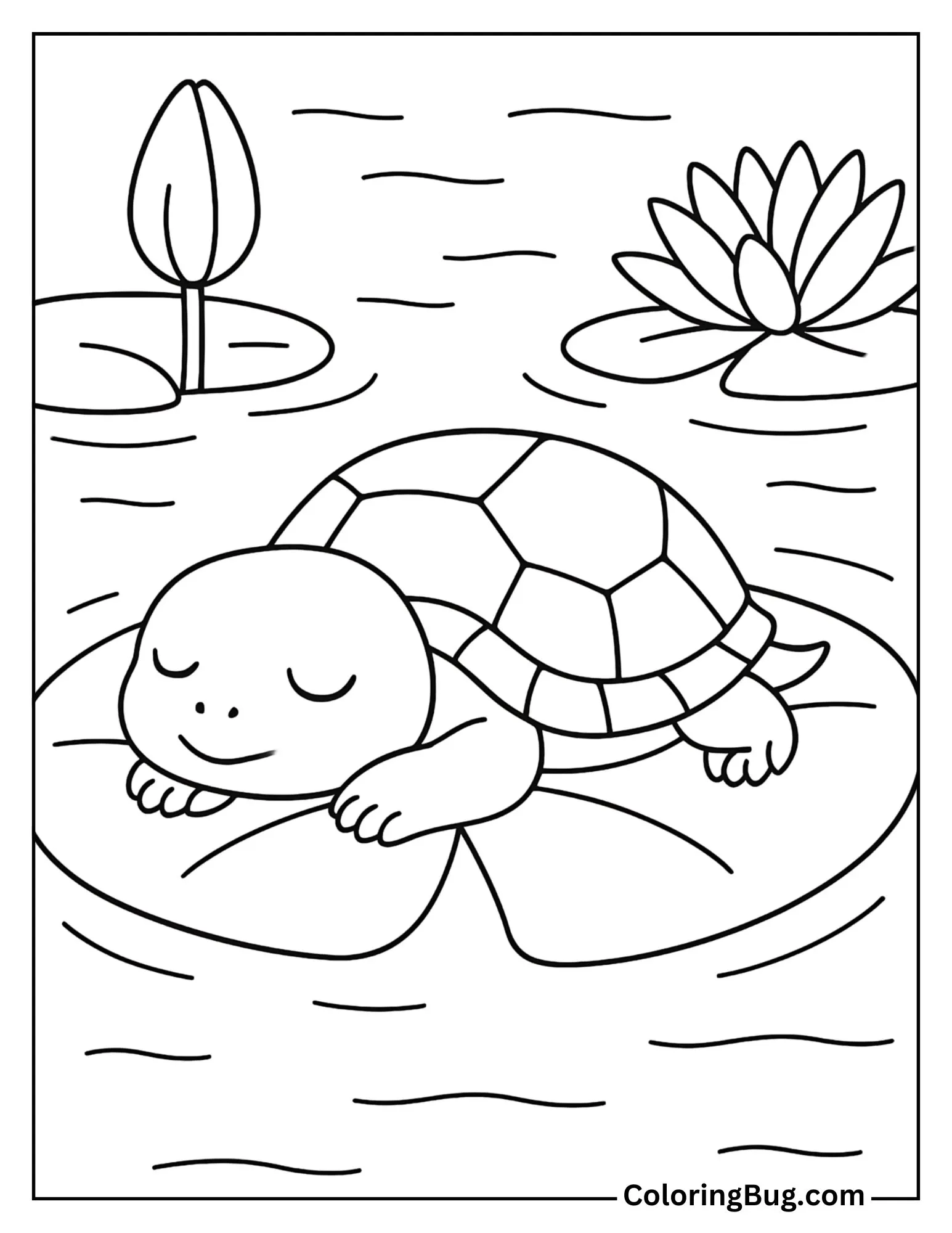
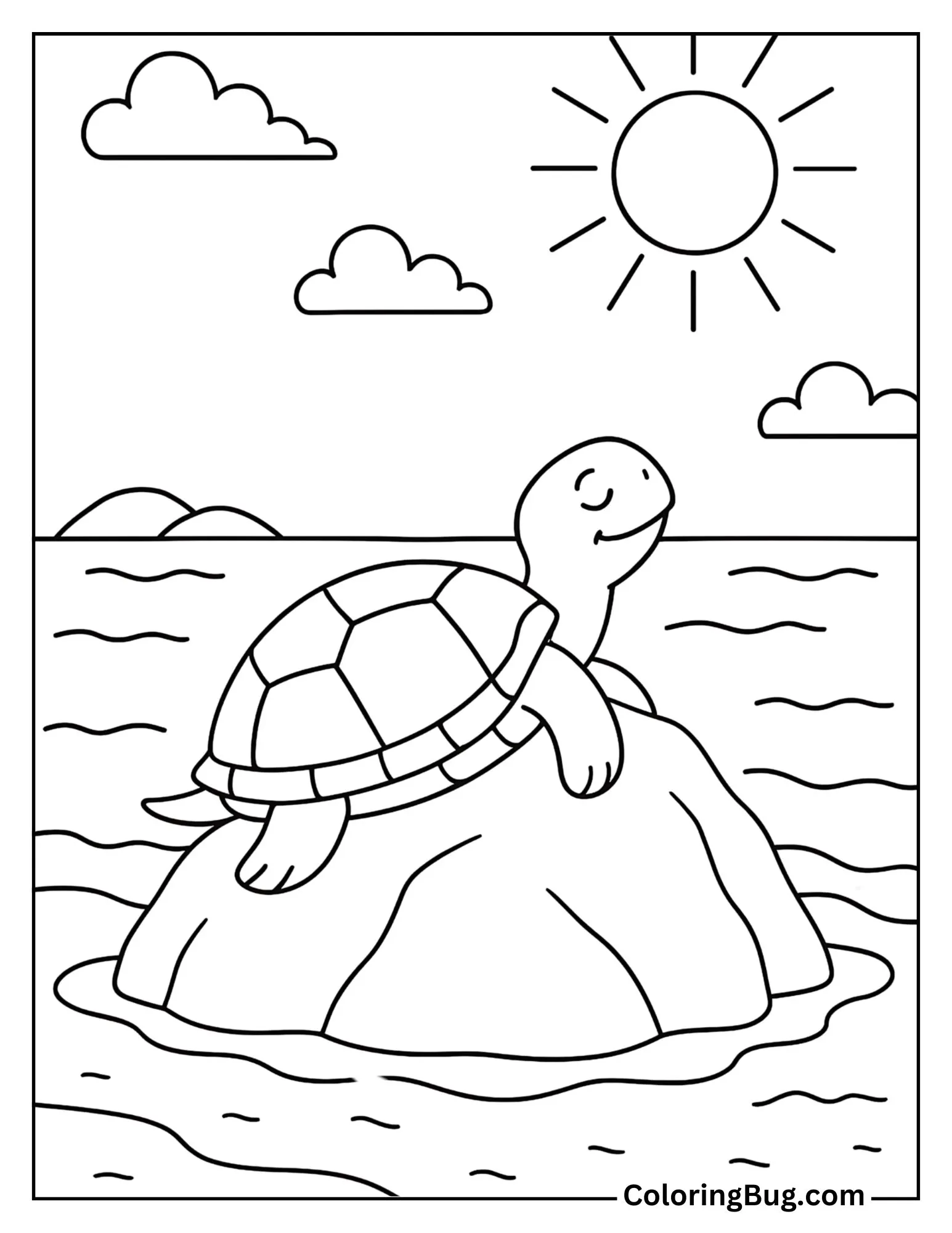
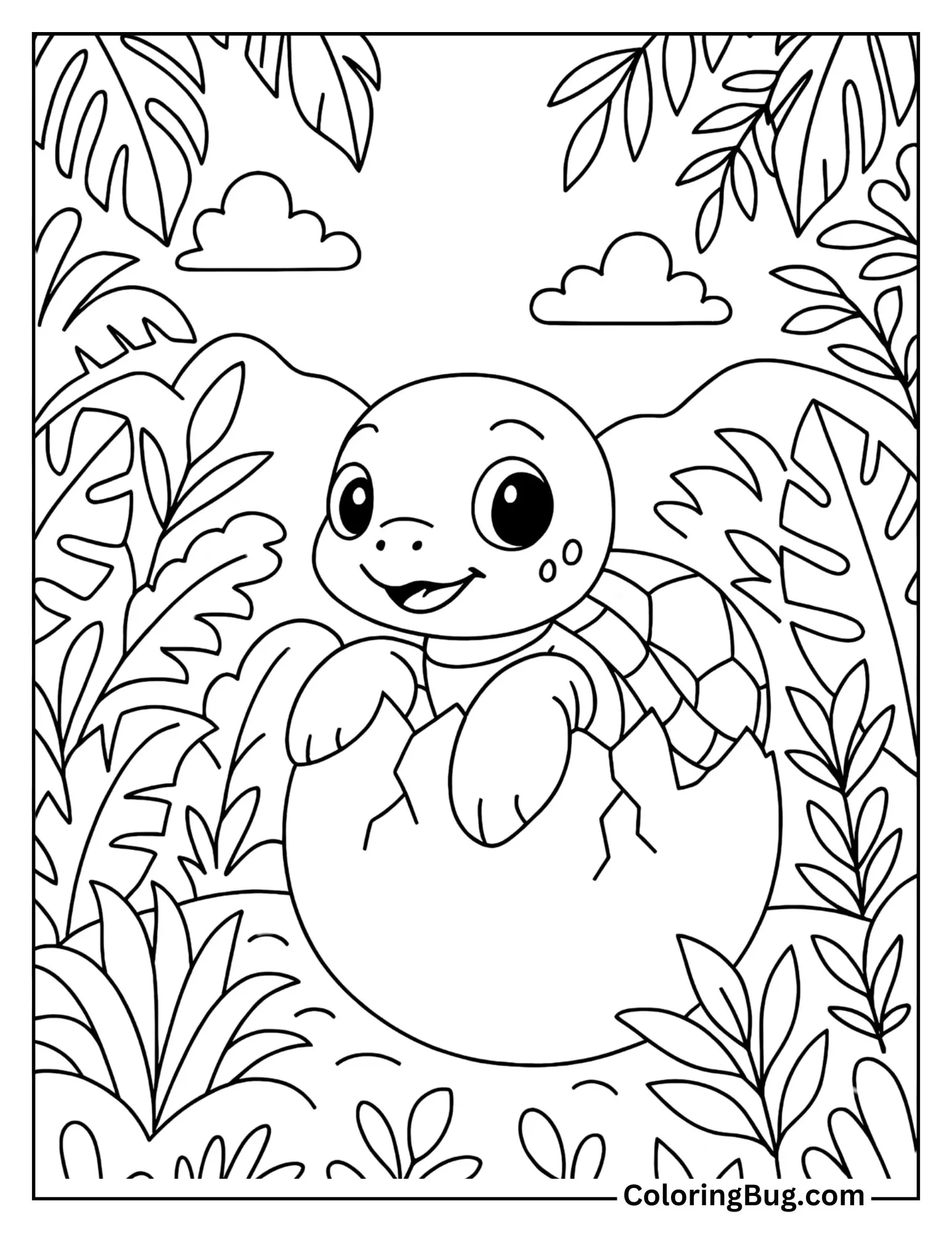
Dive into the peaceful and enchanting world of turtles with this fun collection of turtle coloring pages!
From adorable baby turtles crawling toward the sea to majestic sea turtles swimming gracefully through coral reefs, these pages capture the beauty, tranquility, and charm of these beloved creatures.
Whether you’re looking for simple outlines for kids or detailed underwater scenes for older artists, this collection has something for everyone.
Bring your turtles to life with natural green and brown hues or go bold with rainbow shells and colorful reef scenes.
Each design is available as a free high-resolution PDF, ready to download and print in US Letter size. They also look great at A4 size.
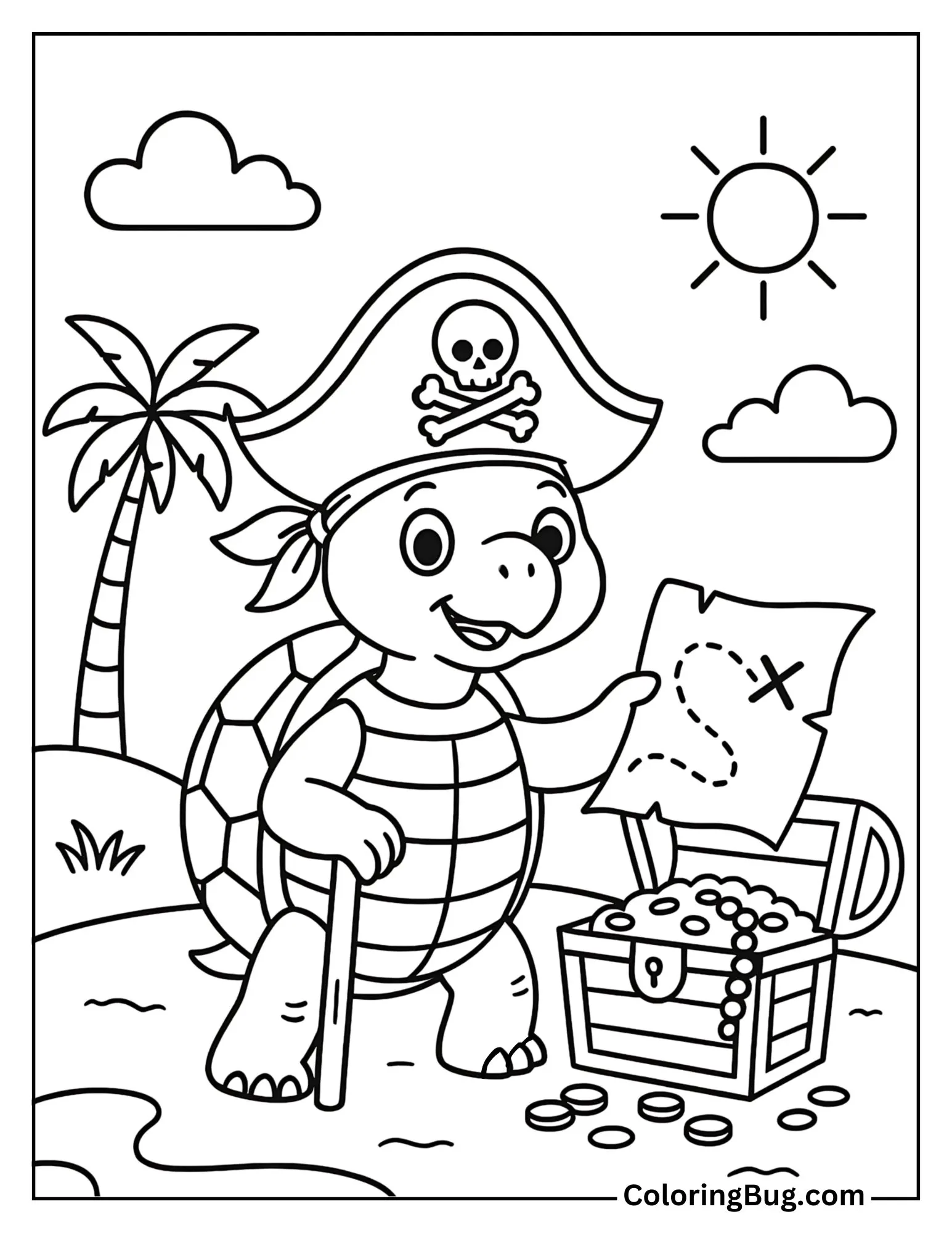
If you have a specific theme you’d like to see, turtle families, underwater adventures, or even turtles with pirate hats, drop your suggestions in the comments.
I’d be happy to expand the collection with even more turtle magic.
Happy coloring, turtle fans! 🐢✨🌊























10 Interesting Turtle Facts
1. Turtles Are One of the Oldest Living Creatures on Earth
Their ancient lineage makes them one of the most resilient species on the planet.
Unlike many prehistoric animals, turtles have survived mass extinctions, climate changes, and shifting ecosystems, making them true evolutionary survivors.
2. Turtles Can Live for Over 100 Years
Turtles are known for their long lifespans, with some species living well over 100 years.
The giant Aldabra tortoise and the Galápagos tortoise are among the longest-living species, with some individuals reaching up to 150-200 years old.
Their slow metabolism and natural resistance to disease contribute to their incredible longevity.
3. Turtles Can Breathe Through Their Butts
Yes, you read that right! Some species of turtles, like the Australian Fitzroy River turtle, can perform a process called “cloacal respiration.”
This allows them to absorb oxygen through blood vessels in their cloaca (an opening used for excretion and reproduction) while they are underwater.
This adaptation allows them to stay submerged for long periods without coming up for air.
4. Turtles Have No Teeth but Strong Beaks
Turtles do not have teeth, but they have sharp, powerful beaks that they use to crush, bite, and tear their food.
Depending on their diet, a turtle’s beak shape may vary. Herbivorous turtles have broad, flat beaks for grinding plants, while carnivorous turtles have sharp, curved beaks to help them tear apart meat and small prey.
5. Sea Turtles Travel Thousands of Miles to Nest
Sea turtles are known for their incredible migratory journeys.
Female sea turtles return to the same beach where they were born to lay their eggs, sometimes traveling thousands of miles to get there.
How they navigate these long journeys is still a mystery, but scientists believe they use Earth’s magnetic fields to guide them.
6. Turtles Can Stay Underwater for Hours
While turtles are reptiles and need oxygen to survive, many species can hold their breath underwater for long periods.
Freshwater turtles can stay submerged for 30 minutes to several hours, while some sea turtles can remain underwater for up to five hours by slowing down their heart rate and conserving oxygen.
7. Not All Turtles Can Retract Into Their Shells
While many people think all turtles can retract into their shells, that’s not true for every species.
For example, sea turtles cannot fully retract their heads and limbs like land turtles or tortoises.
Instead, they rely on their large, hard shells for protection from predators. Land turtles, like box turtles, have a hinged shell that allows them to close it completely for safety.
8. Turtle Shells Are Part of Their Skeleton
Unlike a crab’s exoskeleton, a turtle’s shell is part of its internal skeleton. It’s made up of 50 to 60 bones fused together, including their spine and ribcage.
The top of the shell is called the “carapace,” and the bottom is the “plastron.”
Since the shell is a living part of their body, turtles cannot leave it or “find a new shell” like crabs do.
9. Turtles Play an Essential Role in the Ecosystem
Turtles are vital to maintaining healthy ecosystems, both on land and in water.
Sea turtles help maintain coral reef health by controlling jellyfish populations, while land tortoises aid in seed dispersal by carrying seeds in their droppings.
Their burrows also provide shelter for smaller animals, helping to support biodiversity.
10. Baby Turtles Hatch All at Once
When baby turtles hatch, they emerge from their eggs together in a synchronized effort.
This “mass hatching” strategy increases their chance of survival, as it overwhelms predators on the beach.
The baby turtles then instinctively crawl toward the ocean, guided by the natural light reflecting off the water. Unfortunately, only a small percentage of hatchlings survive to adulthood.
Let me know if you would like to see any more Turtle designs added and I will do my best! 😊